
Professional precious metals refining Toronto Services
Four stages from counter to payout: intake, assay, melt, settlement. This page explains the sequence, who uses it, and which material belongs on which service page.
Refining is a one-way process, so the order of operations matters.
A furnace does not care whether the ring in the crucible was worth more as a ring. That judgement has to happen earlier, at intake, when someone with experience still has the option of handing an item back to you unmelted.
The other thing sellers rarely see is the decision point. A lot is sampled and assayed before it is committed, which means there is a moment where you know the content and can still change your mind. Refiners who skip straight from weigh-in to furnace have removed that moment from you.
So the sequence here is fixed, published, and yours to interrupt.
Fifteen years across Toronto, Mississauga, and North York has produced a workflow with four stages and one lot number tying them together. You witness the weigh-in, you see the assay before the melt, and you receive a settlement sheet that reconciles back to the gross weight recorded on day one. Precious metals refining Toronto clients can stop the process at the assay stage and take the material home.
96%+
Average Purity Recovery Rate
Three Things That Govern the Whole Sequence

One Lot Number Throughout
Issued at the counter when your material is weighed, and carried on every document afterward. It is what keeps an audit trail unbroken from arrival to payout, and it is what you quote when you telephone with a question. Larger clients can ask for segregated handling so their lot is never pooled at all.

A Decision Point Before the Melt
Sampling and assay happen while your material is still intact. The result reaches you before anything enters the furnace, and withdrawing the lot at that moment is a normal outcome that costs you nothing beyond the assay. Once the crucible is involved, that door has closed permanently.

Gross Weight Reconciles to Net
What arrives always outweighs what is recovered, because solder, base metal, stones, and filler were never precious in the first place. Your settlement sheet shows that shrinkage as its own line rather than burying it, so the difference between the two figures is explained rather than assumed.
Our Refining Specializations
Match on what your material physically is, not on which metal you believe is inside it
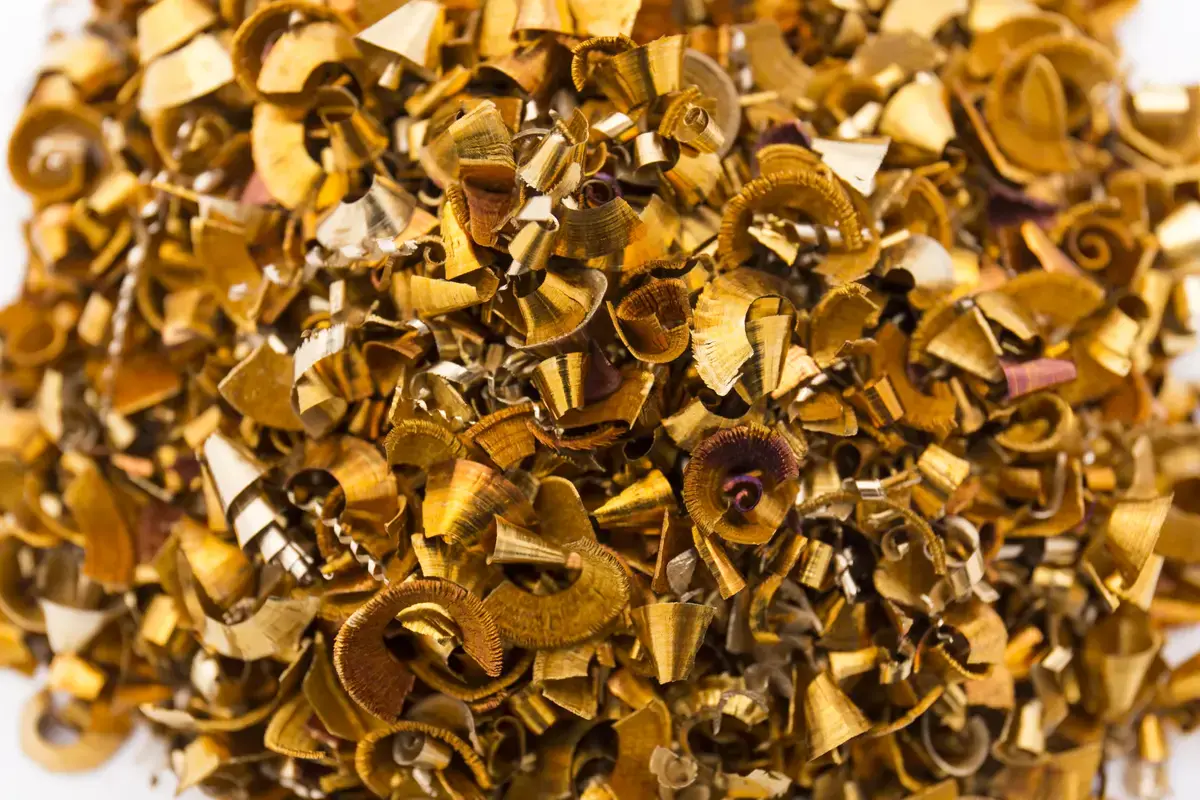
Scrap Gold Refining
Karat testing by acid needle and XRF, sorting broken chains and loose findings by karat before anything melts, and how the settlement arithmetic is laid out line by line.
Learn More →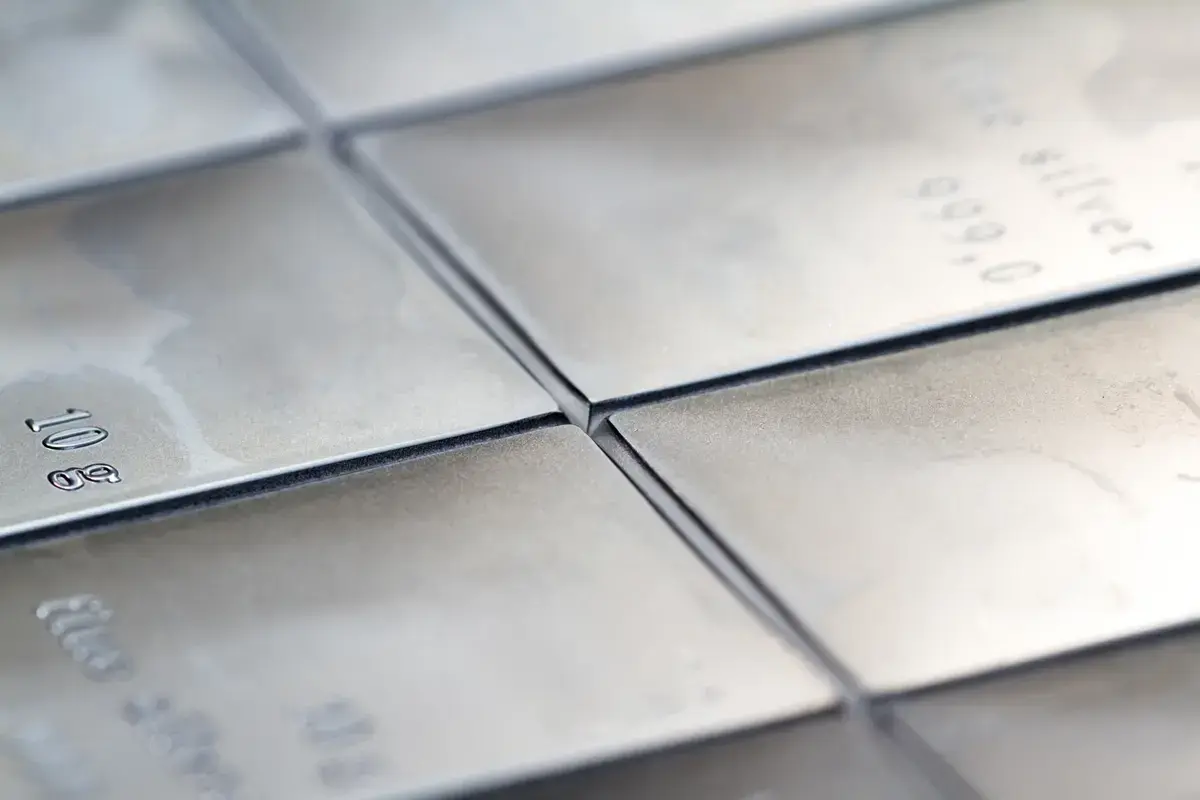
Silver Refining Services
Sterling against coin silver against industrial feedstock, plus what weighted knife handles and pitch filled candlestick bases mean once a flatware service reaches the crucible.
Learn More →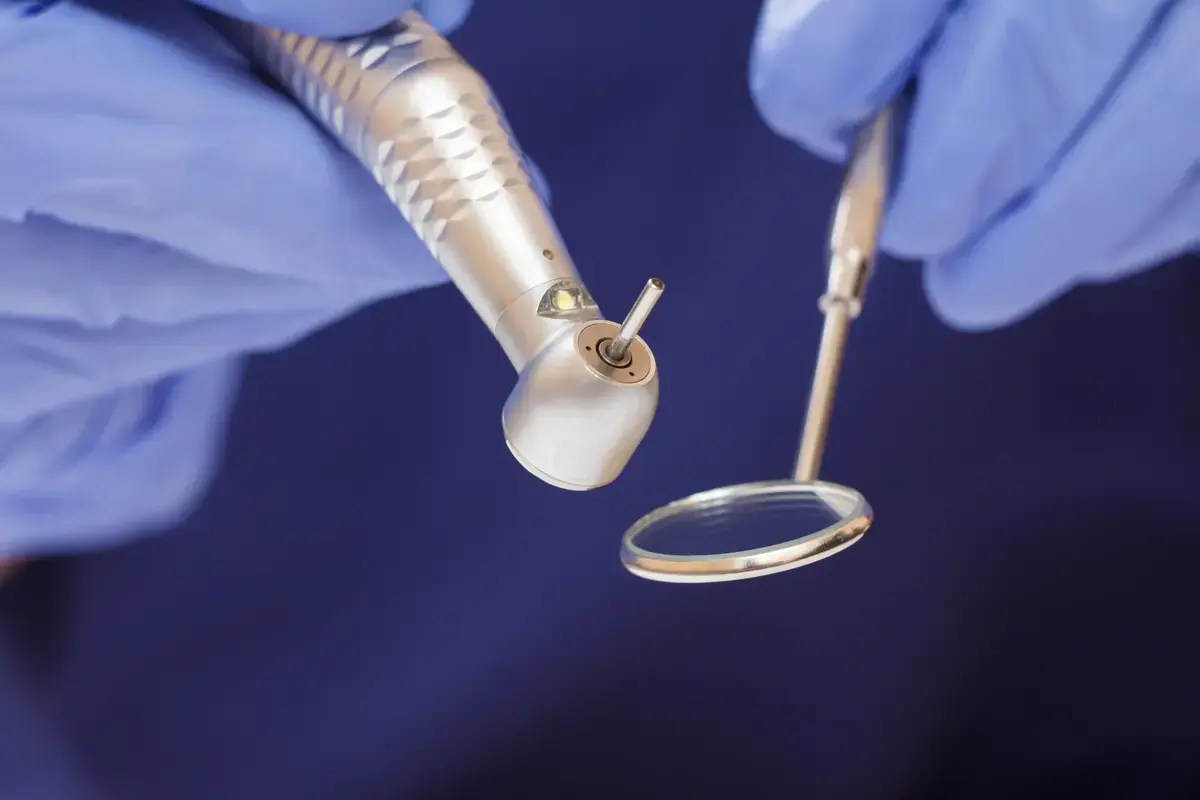
Dental Gold Recovery
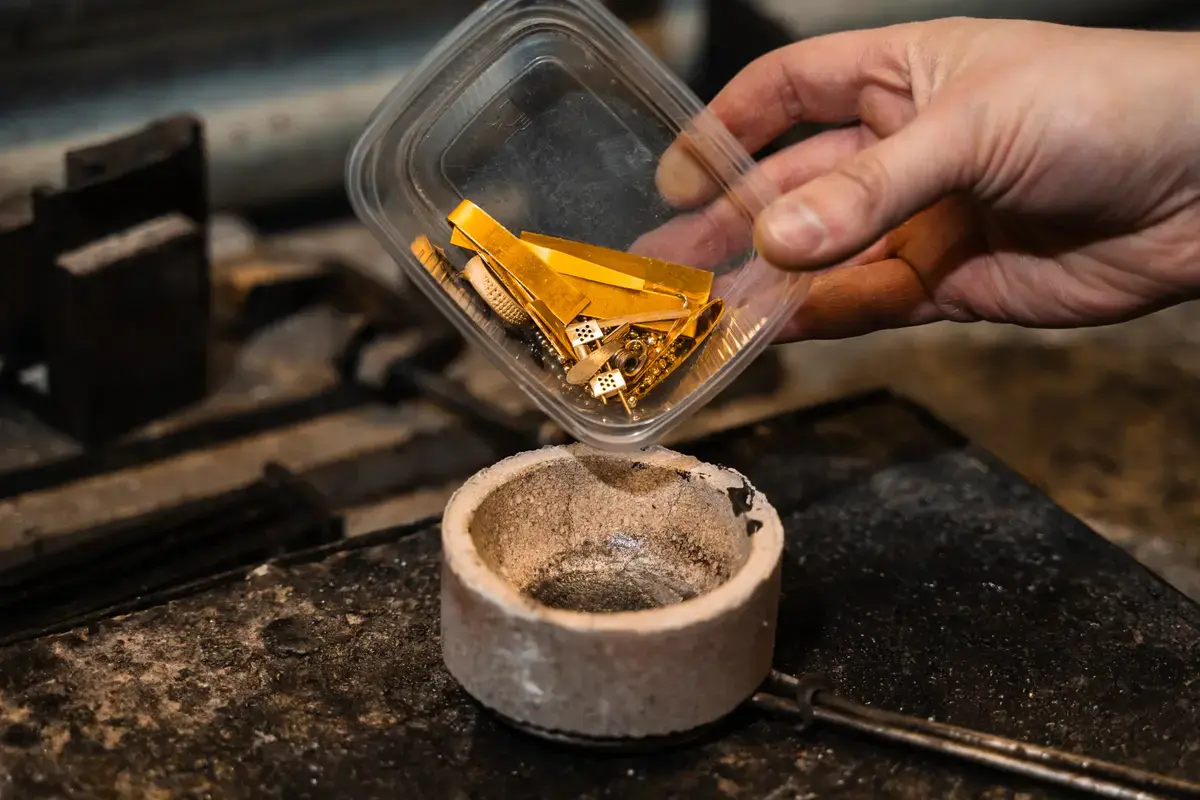
Crowns, bridgework, and inlays collected direct from practices, with porcelain and base metal separated out before the remaining alloy is valued.
Learn More →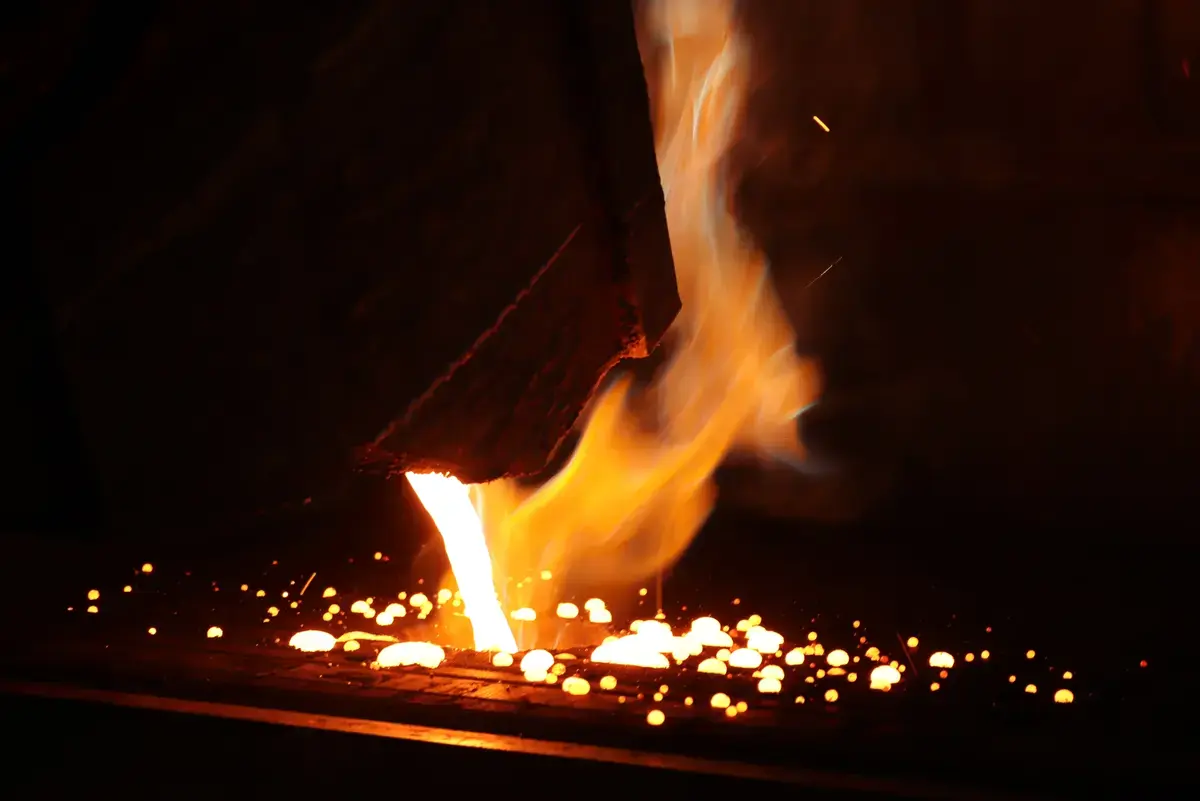
Industrial Precious Metals
Contract processing for manufacturers and recyclers, with sampling protocol, collection schedule, and settlement terms written into a standing agreement.
Learn More →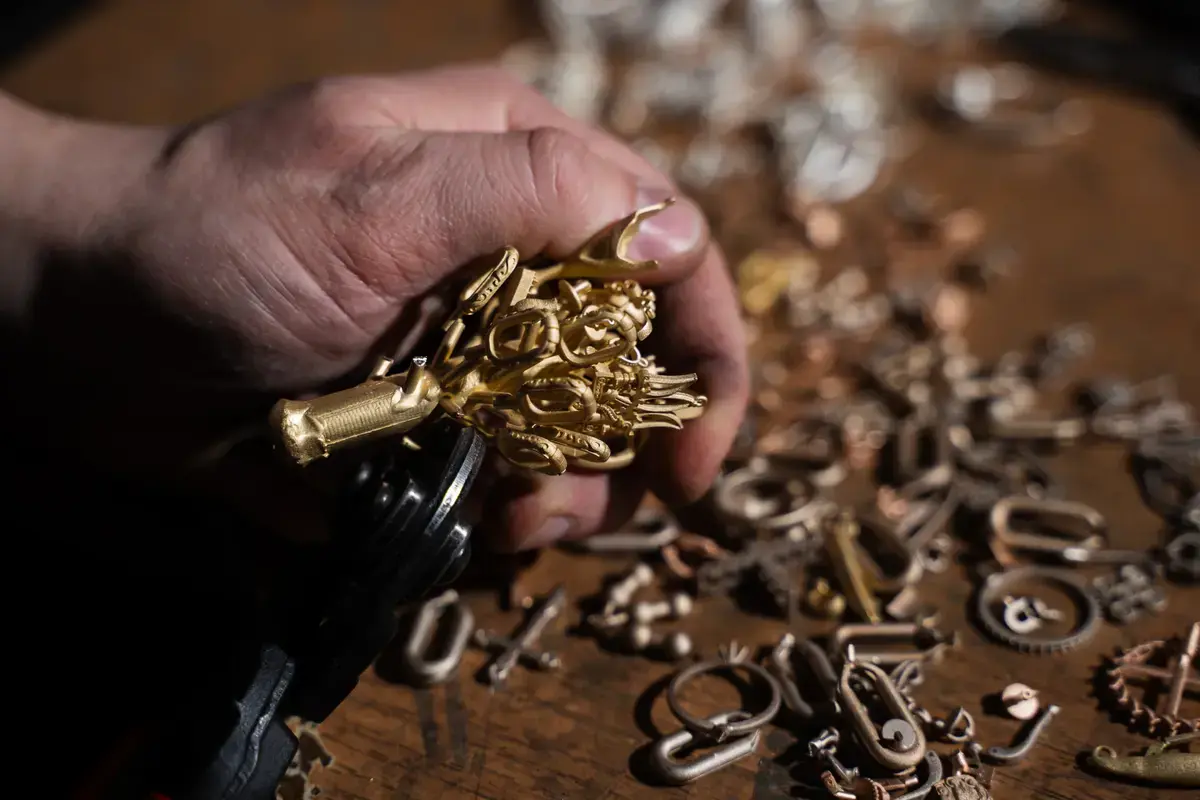
Jewelry Manufacturing Scrap
Bench sweeps, polishing dust, and floor lemel from working workshops, where gold, silver, and platinum routinely arrive mixed together in a single lot.
Learn More →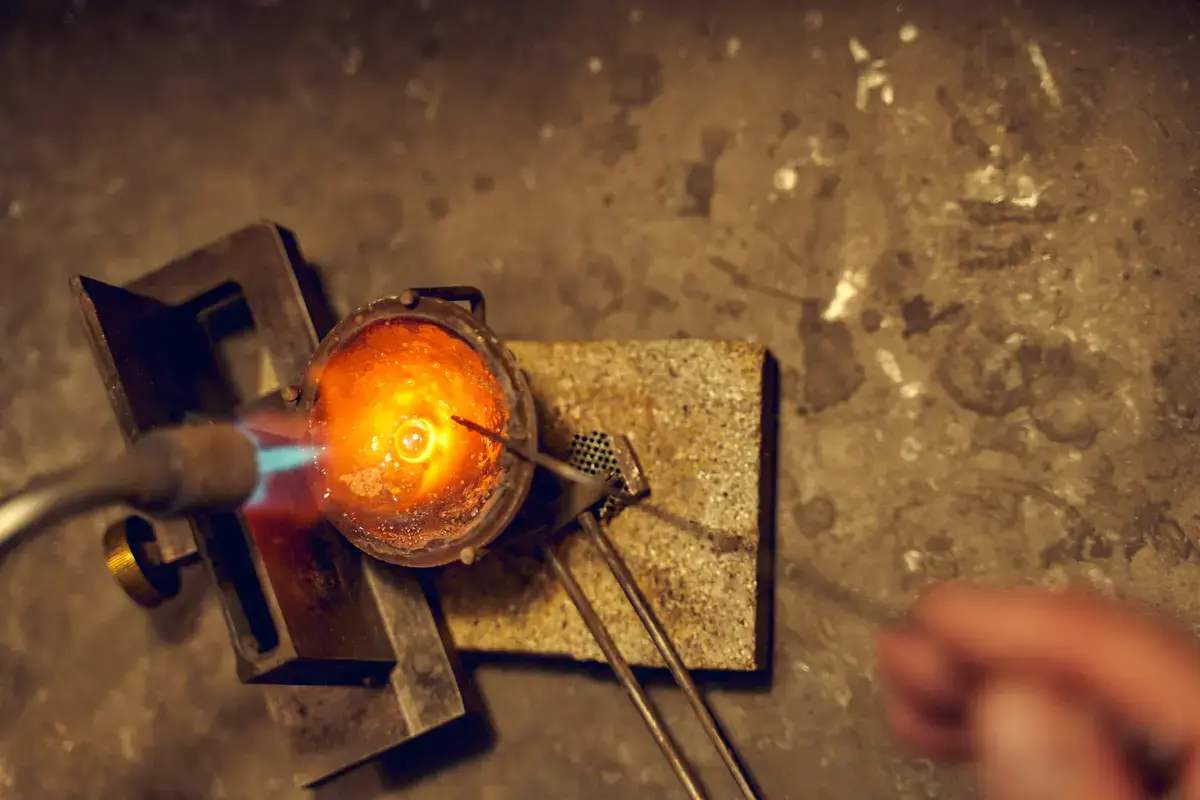
Bullion & Coin Refining
Why finished bullion sometimes needs remaking: gouged bars, obsolete refiner marks, odd weights, and recasting into forms that buyers accept without argument.
Learn More →Material Classes and Where Each One Goes
Every class runs through the same four stages. What changes is how the sample is drawn and what has to be separated out along the way.
| Material class | Typical sender | What has to come out first | Read more |
|---|---|---|---|
| Broken and mixed karat jewelry | Households, estate executors | Stones, clasps, and any plated pieces hiding among solid ones | Scrap gold |
| Flatware, holloware, sterling | Families clearing a household | Weighted bases, pitch filler, and cemented knife handles | Silver refining |
| Bench waste and polishing residue | Working jewellers and goldsmiths | Grit, wheel fibre, and the base metals worked alongside the good stuff | Jewelry scrap |
| Damaged or unrecognised bullion | Investors and inheritors | Usually nothing, though the piece must be verified before it is committed | Bullion and coin |
| Crowns, bridgework, inlays | Dental practices | Porcelain, tooth material, and non-precious substrate | Dental recovery |
| Production and process waste | Manufacturers, electronics recyclers | Varies by process, agreed in the sampling protocol before delivery | Industrial |
Our Refining Process
The same four stages run for every material class, and stage two is where the decision returns to you
Intake and Lot Creation
Your material is weighed in front of you and given a lot number that follows it from that moment to payout. Photographs are taken, the gross weight is written down, and you keep a copy. Nothing is combined with anyone else material until you have agreed to proceed. That lot number is what you quote in any later question, and it is what every subsequent document refers back to.
Sampling and Assay
A lot is rarely uniform, so a representative sample has to be taken before anything can be measured meaningfully. How that sample is drawn depends entirely on what you sent, and the method differs sharply between a bag of broken chain and a drum of workshop sweepings. The service pages below set out the technique used for each material class. What every route shares is a written result you receive before committing.
Melt and Recovery
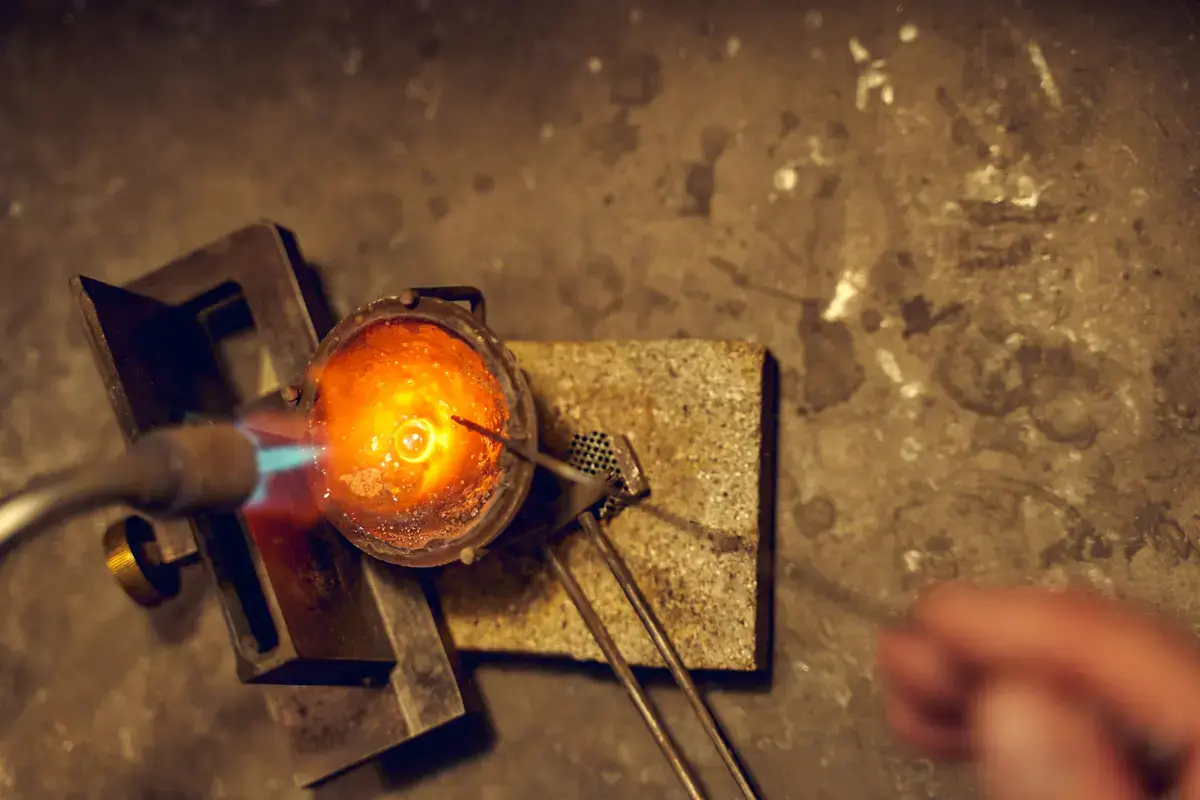
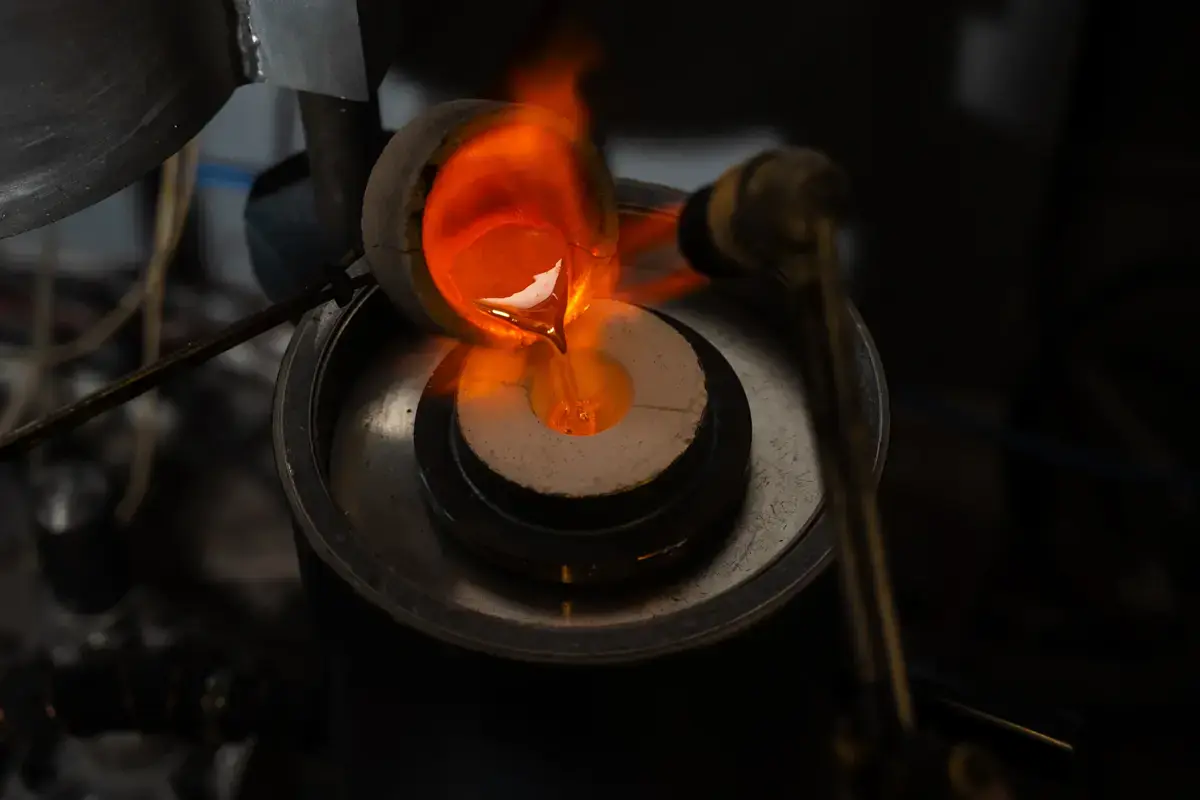
Once the assay is agreed, the lot goes to the crucible. Base metals, solder, stones, and non-metallic filler separate out during this stage, which is why the weight that emerges is always lower than the weight that went in. The gap is not a fee and it is not a loss on our side. It is the difference between what you owned and what was actually precious metal inside it.
Settlement
A settlement sheet shows the gross weight received, the assayed content, the recovered fine weight, the fee applied, and the net figure. Payment follows by transfer or cheque, and standing accounts settle on agreed cycles rather than per lot. You can also take the recovered metal back as bars rather than cash. Ask for that at intake, since it changes how the lot is poured at the end.
Refining Fee Structure
Fees fall as volume rises, because the fixed cost of intake and assay is spread across more material
Small Volume Refining
- ✓ Weigh-in witnessed at the counter
- ✓ Lot number issued on arrival
- ✓ Assay result sent before the melt
- ✓ Withdraw the lot at that point if you prefer
- ✓ Settlement sheet showing every line
Standard Volume Refining
- ✓ Everything in Small Volume, plus:
- ✓ Scheduled slot rather than a queue
- ✓ One named contact across all your lots
- ✓ Recovered metal returnable as poured bars
- ✓ Running record kept between deliveries
- ✓ Settlement on an agreed cycle
Industrial Volume Refining
- ✓ Everything in Standard, plus:
- ✓ Sampling protocol agreed in writing
- ✓ Segregated processing on request
- ✓ Collection from your premises
- ✓ Standing contract with fixed terms
- ✓ Reconciliation records for your auditor
Reading a Quoted Fee Properly
A percentage on its own tells you very little, because the number it applies to is the part that varies. Ask what the fee is charged against: the gross weight you handed over, or the fine weight actually recovered. Those are different quantities and the gap between them can be substantial on mixed material.
Ask two further questions before comparing anyone. Is assay charged separately or included, and is there a minimum charge that swallows a small lot whole? A low headline percentage sitting on top of a flat minimum can cost more than a higher percentage without one. Every figure quoted here is against recovered fine weight, with assay included, and staff will say so in writing before your material is committed.
Not Sure Whether Yours Should Be Refined at All?
Telephone with a description, or send a photograph, before you pack anything. Some of what people bring in is worth more left exactly as it is.
Refining cannot be undone, so the conversation belongs at the start rather than the end.
Lots That Ran Through the Full Sequence
Six Ontario lots, each weighed at intake, sampled, assayed, and settled against a written sheet
$47,500 Gold Recovery
Toronto, Ontario
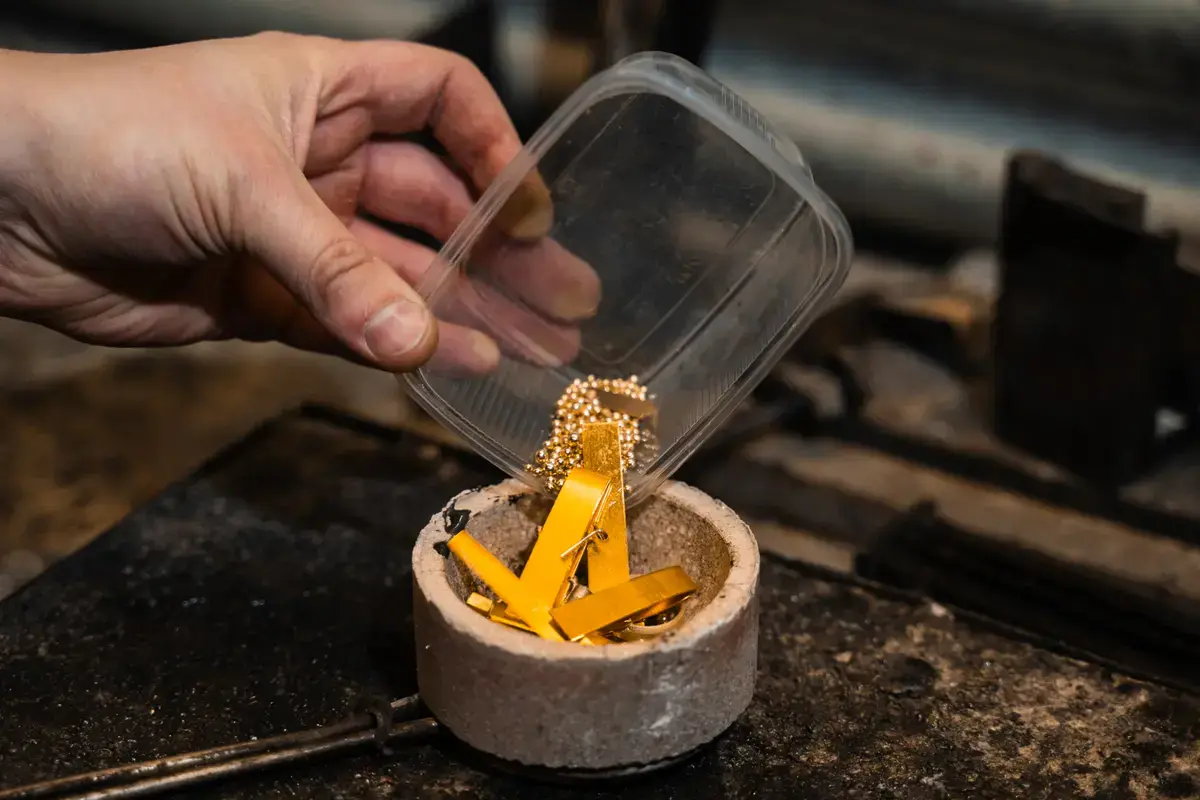
$18,200 Silver Recovery
North York, Toronto
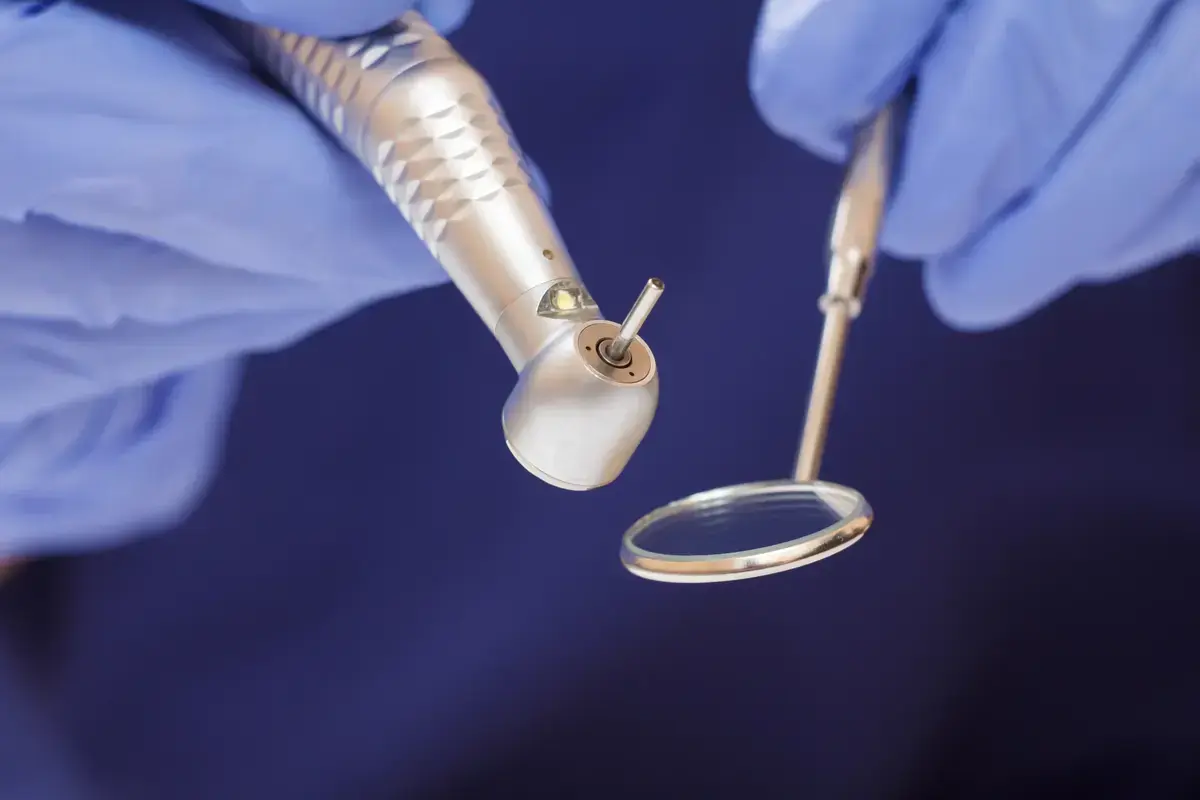
$12,800 Dental Gold
Mississauga, Ontario
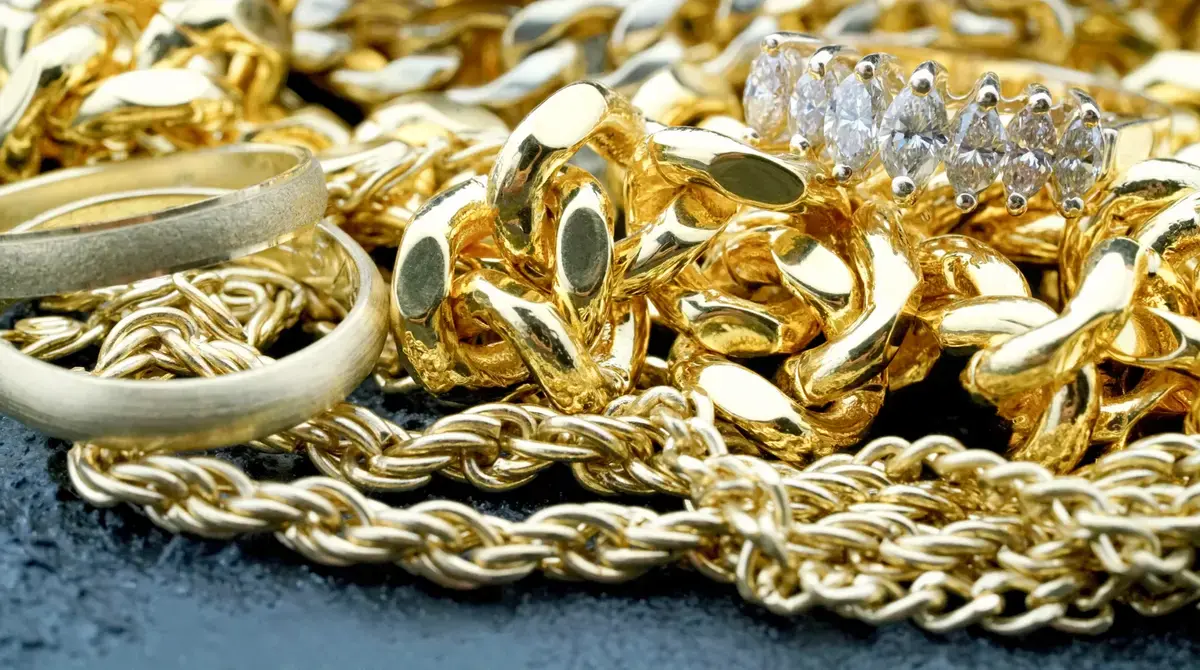
$250,000+ Industrial Recovery
Scarborough, Ontario
$75,000 Scrap Recovery
Etobicoke, Ontario
$150,000 Bullion Processing
Vaughan, Ontario
What Our Refining Clients Say
Toronto client testimonials for precious metals refining Toronto services
I brought in a box of my grandmother's jewelry expecting to be told to melt the lot. Instead staff pulled out three signed pieces and told me plainly that selling those intact would beat their metal content. Only the broken chain and the single earrings went through precious metals refining Toronto in the end. Talking a customer out of the bigger transaction is not something I expected, and it is why I came back with the second box.
What I wanted was to understand the sequence, because the last refiner I used simply handed me a cheque and a number with no working shown. Here the lot number followed my material through every document. Weighed at the counter, sampled, result sent to me before the furnace, settlement sheet at the end. Being able to withdraw after the assay and before the melt is the part nobody else offered me.
Twenty two years of workshop waste came out of a storeroom when we moved premises, and honestly I had no idea what was in it. GoldAgo sorted the accepted material from the things they will not take, explained why the drums with unknown contamination had to go elsewhere, and processed the rest. The refusals were as useful as the acceptances. Metal recycling Toronto outfits that take everything without asking questions worry me now.
Your Refining Questions Answered
When refining beats selling, what the four stages involve, who sends material, and what we turn away
Start Your Precious Metals Refining Toronto Today
Bring the material in and watch the weigh-in. A lot number is issued on the spot and follows your metal to the settlement sheet.
The assay reaches you before the furnace does, and withdrawing at that point is always an option.
Describe It First and We Will Say Whether to Refine It at All
Tell us what you have and staff will point you at the right service page, or tell you plainly that the item is worth more left intact. Both answers are useful before you travel.
- Lot number issued the moment your material is weighed
- Assay result sent to you before anything is melted
- Withdraw the lot at that point and take it home
- Settlement sheet reconciles gross weight to net
- Honest advice when an item should not be melted
Get Your Free Quote
Fill in your details. Takes under 60 seconds.
Refining Areas We Service
One intake counter, one furnace, and material arriving from workshops and households across Ontario