
Professional silver refining Toronto Services
Maximize your sterling value with expert electrolytic silver refining, advanced sterling silver recovery, and industry-leading yields. Trusted silver scrap buyers serving Toronto and Canada.
Your Trusted Silver Refining Toronto Partner
A silver canteen is rarely what it appears to be on the table. Some of it is electroplate over base metal. The knives are hollow shells packed with cement around a stainless blade. The candlesticks are weighted with pitch. Bulk tells you almost nothing about content.
So our silver refining Toronto counter takes things apart before it weighs them. Hallmarks are read and grades separated, plate is identified and handed back, blades come off handles, and weighted bases are opened. What reaches the scale is the silver, grouped by grade, rather than an assembly of things that merely arrived together.
$12M+
Sterling Silver Recovered for Clients
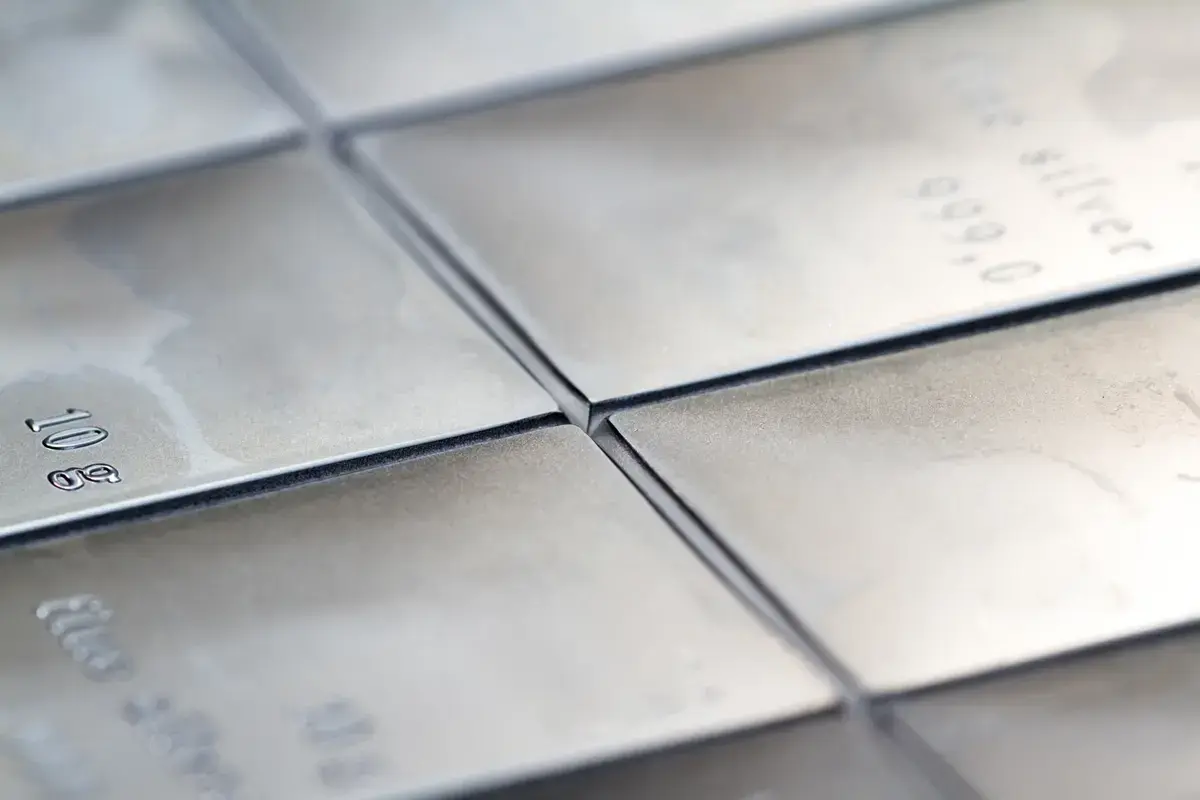
Why Choose Our Silver Scrap Buyers
Reading hallmarks, separating plate from solid, and dealing with everything that was never silver in the first place
Sterling, Coin Silver, and Continental Grades
Silver arrives in several standard alloys, and telling them apart by hallmark is the first thing that happens to any flatware service.
- ✓ Sterling is the familiar grade, marked 925 or with a lion passant on British work
- ✓ American coin silver runs slightly lower and was common before sterling standardised, often marked simply COIN
- ✓ Continental European work at 800 and 830 carries its own marks entirely, and gets grouped separately from sterling
Plate Separated From Solid
Electroplated work looks identical to solid silver on a dinner table, and the two carry entirely different feedstock value.
- ✓ Marks reading EPNS, EP, A1, or silver on copper indicate plate rather than solid metal
- ✓ Wear at spoon bowl tips and fork tine edges exposes the base metal beneath a worn plate
- ✓ Plated items are separated out and handed back rather than processed, since melting them serves nobody
Weighted and Filled Construction
Candlesticks, trophy bases, and many handled pieces contain pitch, plaster, or cement that has nothing to do with the silver they are wrapped in.
- ✓ A weighted base can account for the overwhelming majority of what the piece weighs on a scale
- ✓ Filler is removed and the remaining shell weighed alone, which is the only honest way to value the piece
- ✓ Owners are frequently startled by how little silver a heavy candlestick actually contains
Knife Handles and Cemented Joints
Table knives are a special case, since the blade is usually stainless and the handle is a hollow silver shell filled with cement.
- ✓ Blades are separated from handles before anything is weighed, as stainless is not feedstock
- ✓ The cement bonding handle to tang is removed rather than counted as silver
- ✓ A twelve place knife set carries far less silver than its bulk on the table would suggest
Industrial Silver Feedstock
Contacts, brazing alloys, and process residues from workshops behave differently in the crucible than tableware does.
- ✓ Electrical contacts often carry cadmium or nickel that has to be accounted for before valuation
- ✓ Brazing and soldering alloys contain silver at varying proportions depending on their grade
- ✓ Process residues require a sampling protocol agreed in advance rather than a counter assessment
Silver Assay by Titration
Silver content is measured by chemical titration rather than by the cupel used for gold, which suits the alloys involved.
- ✓ A dissolved sample is titrated against a standard solution until the endpoint is reached
- ✓ The technique reads the whole sample rather than a surface layer, so plating cannot flatter it
- ✓ Results are reported per feedstock group, since sterling and continental grades never share a line
Four Steps from Cupboard to Feedstock
Dismantling comes first, because most of what a service weighs was never silver at all
Read the Marks
Undersides are turned over and hallmarks recorded. Sterling at 925, coin silver, and continental grades at 800 or 830 each go into their own pile rather than a single heap.
Anything reading EPNS, EP, or A1 comes out here, along with pieces showing base metal at worn tine edges. Those are returned to you rather than processed.
Take It Apart
Knife blades are separated from handles and the cement packed inside is removed. Weighted candlestick and trophy bases are opened so the pitch or plaster can come out.
What remains is a formed shell, usually far lighter than the object felt in the hand. That shell is what gets valued, and owners see the filler that came out of it.
Titrate Each Grade
A dissolved sample from each grade group is titrated against a standard solution until the endpoint arrives. The volume required gives the silver content of that group.
Because titration reads the whole dissolved sample rather than a surface, polish and patina cannot flatter the number. Sterling and continental grades never share a result line.
Settle by Grade
Every grade group appears on its own line: dismantled weight, assayed content, and the figure it earns. Nothing is pooled across grades to produce a tidier single number.
Payment follows by transfer or cheque. Workshops sending feedstock regularly settle on an agreed cycle rather than lot by lot.
Silver Refining Toronto Pricing
Transparent metal recycling services fees based on volume
Standard Silver Refining
For households clearing a canteen, a tea service, or a cupboard of accumulated hollowware.
- ✓ Hallmarks read and grades separated at the counter
- ✓ Plate identified and handed back, never processed
- ✓ Blades and cement removed from knife handles
- ✓ Weighted bases opened and filler taken out
- ✓ Titration result reported per feedstock group
High-Volume Silver Refining
For silversmiths, workshops, and industrial clients sending feedstock rather than tableware.
- ✓ Everything in Standard, plus:
- ✓ Sampling protocol agreed before collection
- ✓ Alloy specifications reviewed in advance
- ✓ Contacts assessed for cadmium and nickel content
- ✓ Grade-by-grade records kept across deliveries
- ✓ Collection arranged from your premises
Why a Single Bulk Figure Should Worry You
A buyer who weighs your canteen assembled and quotes one number is pricing cement, stainless blades, and pitch alongside the silver. That number can only be low, because it has to be low enough to absorb everything the buyer cannot yet see.
Dismantling first inverts the arrangement. The uncertainty is removed before the figure is struck rather than priced into it, and grade groups are quoted separately so your continental pieces are not dragged down by sterling averaging or the reverse. It takes longer at the counter. That is the only cost, and it falls on us.
Do Not Polish It First
Tarnish vanishes in the crucible and polishing removes a trace of real metal each time. Bring the service exactly as it came out of the cupboard.
The only preparation worth doing is setting aside anything you would rather keep as an object.
Silver Refining Toronto Results
Six lots where dismantling changed the picture: plate, filled handles, weighted bases, and mixed continental marks
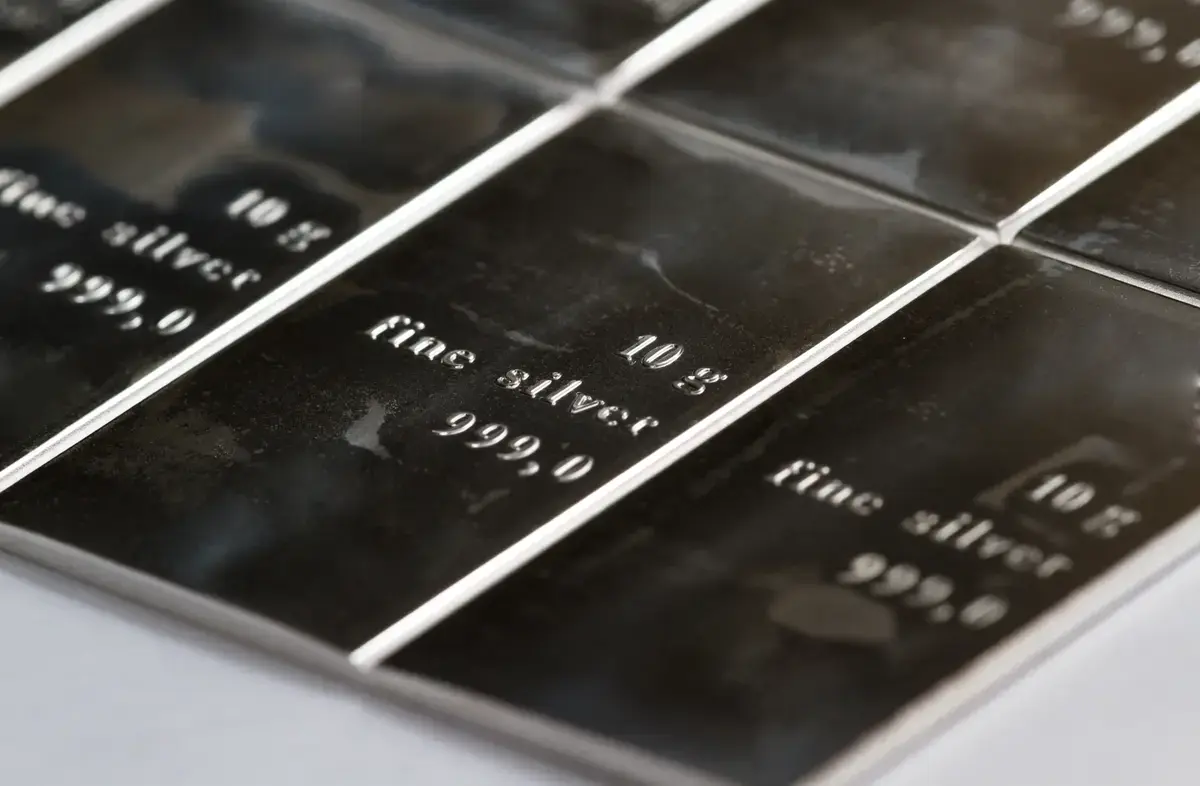
Full Canteen, Knives Apart
Twelve place service where the knife blades and handle cement came out before anything met the scale
Leaside, Toronto
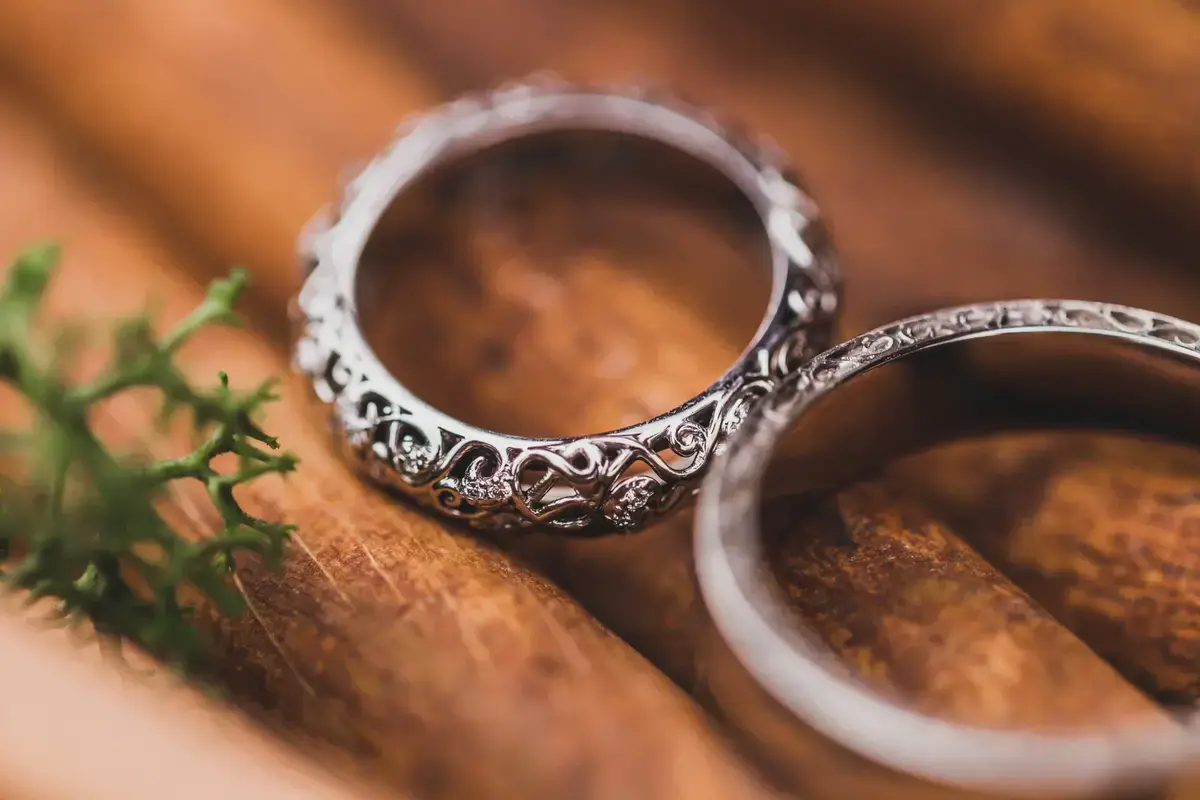
Half the Cupboard Was Plate
EPNS marks and wear-through at the tine edges identified, with the plated pieces handed straight back
Bayview Village, North York
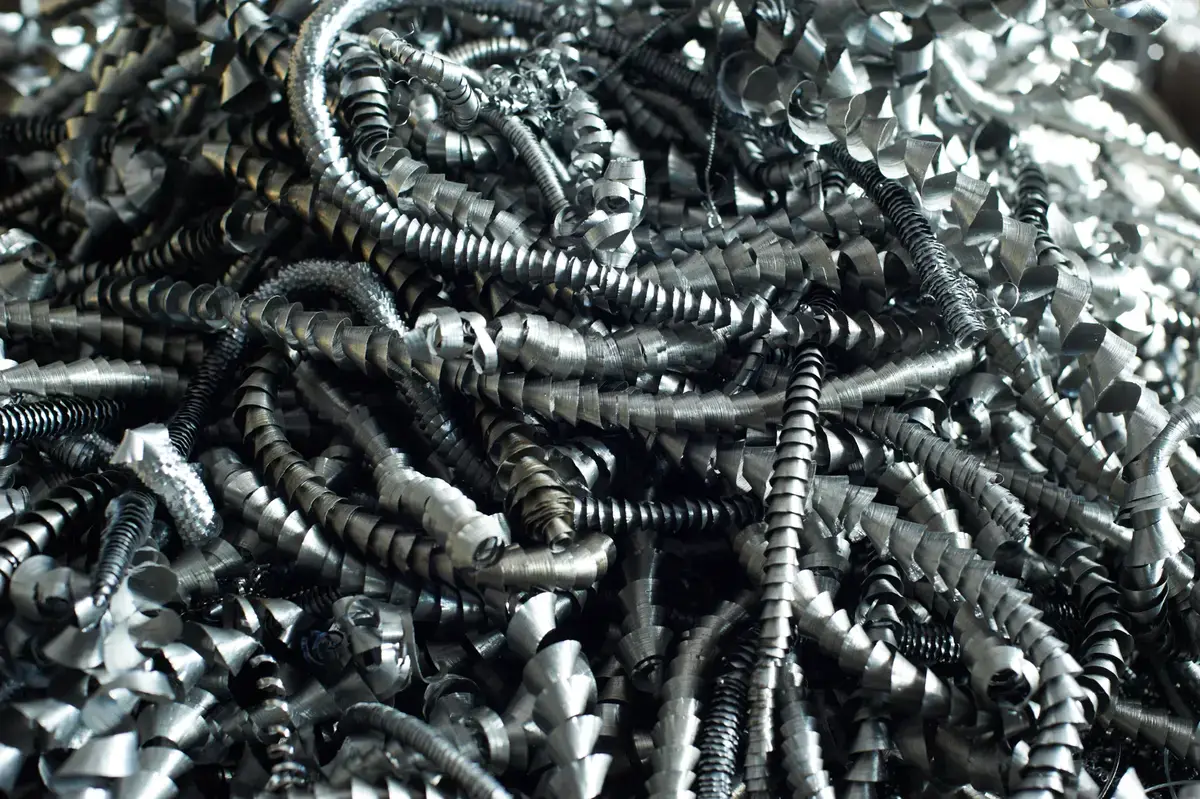
Workshop Contacts and Brazing Rod
Industrial feedstock assessed against alloy specification rather than by weight at a counter
Meadowvale, Mississauga
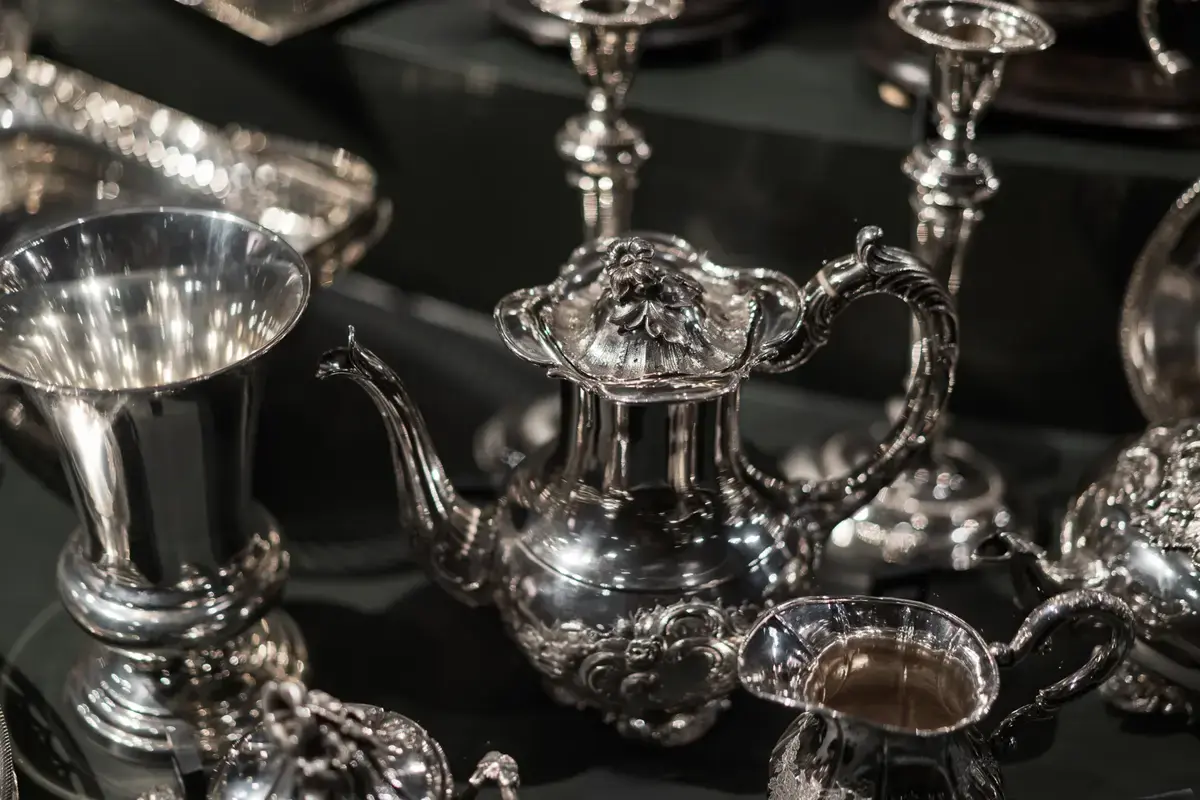
Candlesticks, Mostly Pitch
Weighted bases opened and the filler removed, leaving a formed shell far lighter than expected
Guildwood, Scarborough
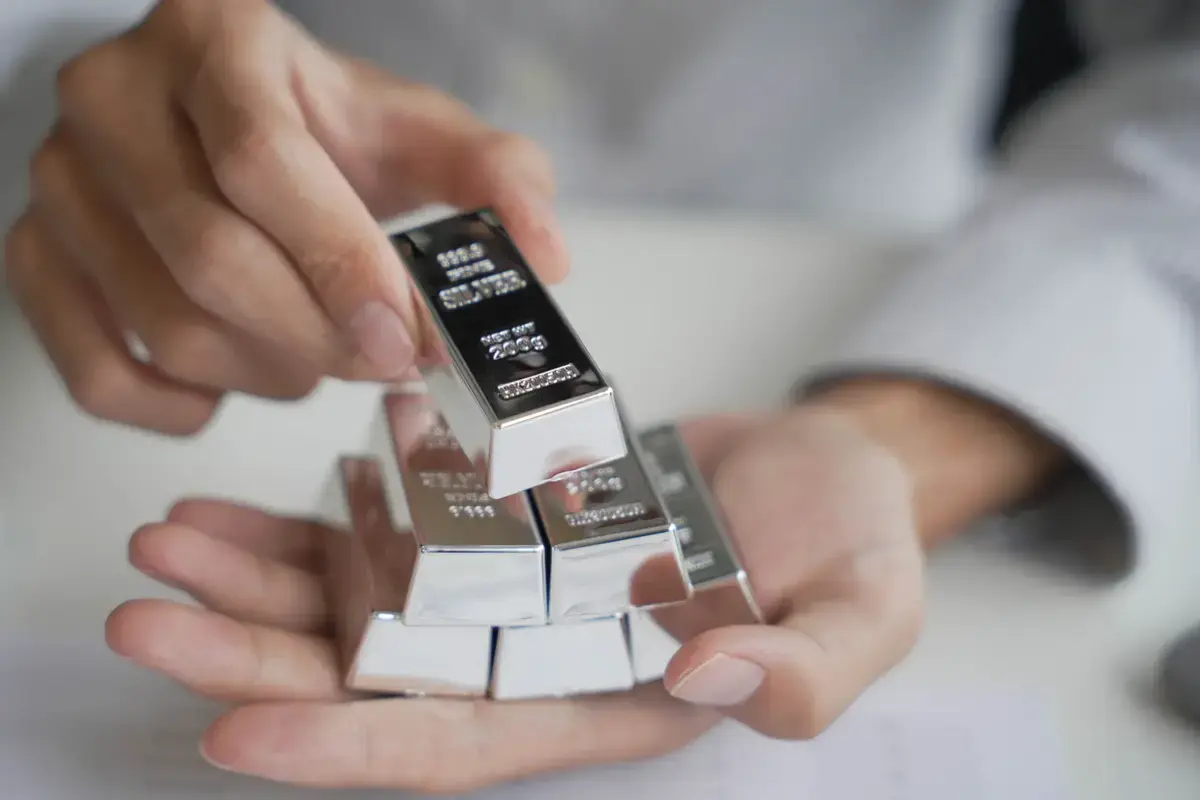
Continental 800 Among Sterling
European marks separated into their own feedstock group instead of being pooled with the 925 pieces
Sunnylea, Etobicoke
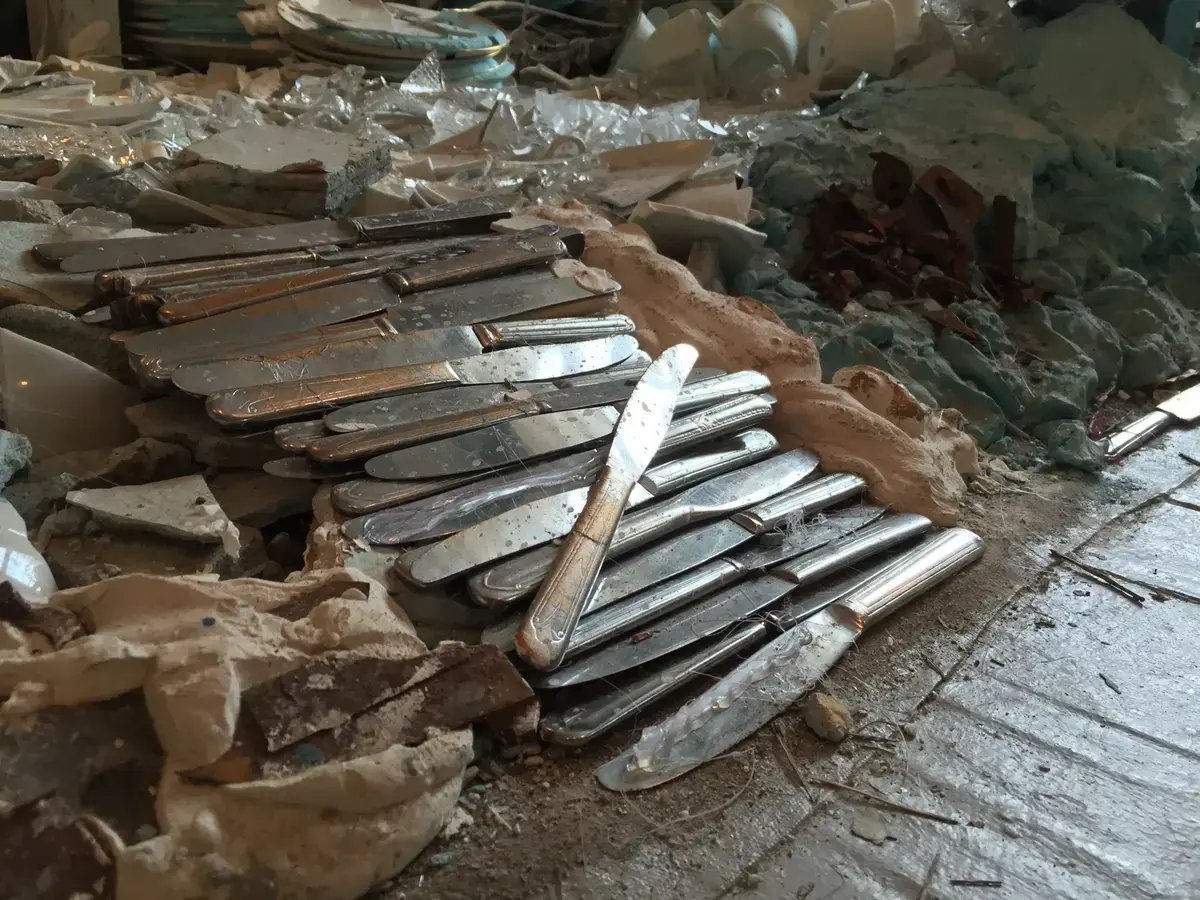
Tarnished, Unpolished, Unchanged
A service brought in exactly as it left the cupboard, since the film has no bearing on the metal beneath
Kleinburg, Vaughan
What Our Silver Scrap Buyers Clients Say
Toronto client testimonials for silver refining Toronto services
I inherited a canteen for twelve and assumed the knives were the valuable part, because they are by far the heaviest thing in the box. Staff took a blade off, showed me the cement packed inside the handle, and explained that the shell is all there is. Disappointing, but honest, and nobody else had told me. The silver refining Toronto counter would rather manage expectations than collect a complaint later.
Roughly half of what I brought turned out to be electroplate. They pointed out the wear at the fork tines and the EPNS stamp on the underside, then handed those pieces straight back rather than taking them off my hands for nothing. I had been offered a single bulk figure for the whole lot by another buyer that week. That comparison made the decision easy.
Our workshop had forty years of contacts and brazing rod in bins nobody had touched. Rather than guessing at the counter, they asked for the alloy specifications and agreed a sampling protocol before collecting anything. The cadmium content in some of the older contacts mattered, apparently, and none of the general scrap places had raised it. Proper industrial handling rather than a quick weigh.
Your Precious Metals Refining Questions Answered
Telling plate from solid, why knives come apart, what weighted means, and how titration measures content
Start Your Silver Refining Toronto Today
Bring the canteen, the tea service, the odd candlestick, and the box of mismatched spoons. Grades get separated at the counter while you watch.
Anything that turns out to be electroplate goes home with you rather than into the crucible.
Send Your Hallmarks and We Will Sort Solid From Plate
List the marks you can read on the undersides, or photograph them. Staff will say which pieces are electroplate before you pack anything, and explain what the knives and candlesticks are likely to contain.
- Sterling, coin silver, and continental grades kept apart
- Electroplate identified and returned, never processed
- Knife blades and handle cement removed before weighing
- Weighted bases opened so filler is not counted as silver
- Titration result reported for each grade group separately
Get Your Free Quote
Fill in your details. Takes under 60 seconds.
Silver Refining Areas We Service
Canteens, tea services, and workshop feedstock arriving from households and trades across the region
Related Precious Metals Refining Services
Scrap Gold Refining
Professional gold recovery with fire assay testing and 96%+ recovery rates.
Learn More →Dental Gold Recovery
Specialized dental precious metals recovery for dentists and laboratories.
Learn More →Industrial Refining Services
Large-scale precious metals refining for manufacturing and industrial clients.
Learn More →Silver Buying
Sell silver for immediate cash with no refining required.
Learn More →