What Types of Silver Items Can You Sell in Toronto?
You can sell a wide range of silver items in Toronto, including sterling jewelry, flatware sets, coins, tea services, antique silver, and even industrial silver. Virtually any item made from real silver has value based on its weight and purity. The Greater Toronto Area has strong demand for all forms of silver, giving sellers multiple options for getting competitive prices.
Sterling silver jewelry is the most commonly sold category. This includes rings, necklaces, bracelets, earrings, brooches, and cufflinks marked .925 or "Sterling." Whether your pieces are modern or vintage, worn or pristine, they carry melt value based on weight. Designer or branded pieces from makers like Tiffany, Georg Jensen, or David Yurman may command premiums above melt value. Visit our sterling jewelry buying page for current rates.
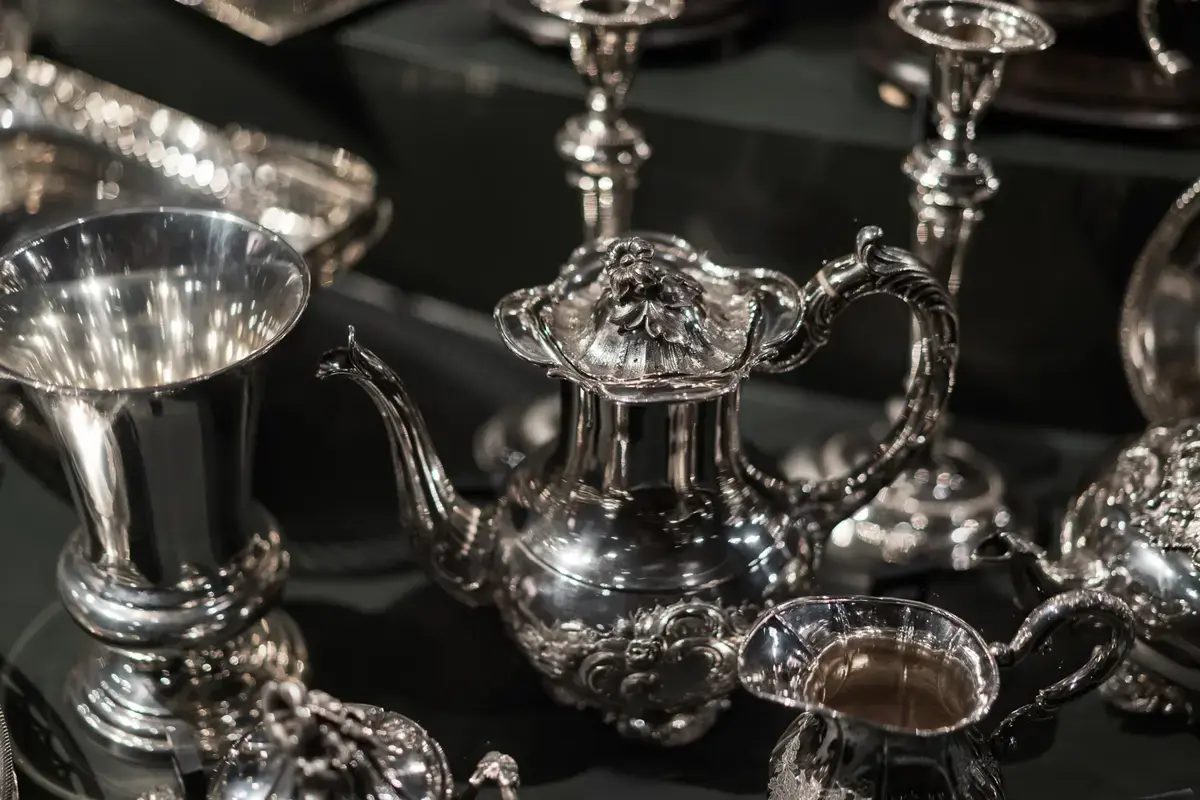
Silver flatware and tea services represent another major selling category. Complete or partial sets of sterling silver forks, knives, spoons, and serving pieces carry significant value by weight. A complete 12-place setting of sterling flatware can weigh 2-4 kilograms. Silver tea sets, coffee services, candlesticks, and serving trays are also highly sought after. These items often hold value beyond their silver content due to craftsmanship and maker history.
Silver coins include Canadian pre-1968 silver coins (80% silver), American pre-1964 silver coins (90% silver), and bullion coins like the Canadian Silver Maple Leaf (99.99% silver). Antique silver from the Georgian, Victorian, or Edwardian periods may have collector value. Industrial silver includes photographic silver, electrical contacts, and silver solder. All of these items are worth selling at a dealer who understands their specific market.
How Do You Tell If Your Silver Is Real Sterling?
The most reliable way to identify real sterling silver is to look for hallmark stamps that indicate purity. The stamp ".925" means the item contains 92.5% pure silver, which is the standard for sterling. Other valid stamps include "Sterling," "Ster," "925," and "SS." If your item carries one of these marks, you can be confident it is genuine sterling silver.
Hallmark stamps and their meanings: ".925" or "925" indicates sterling silver at 92.5% purity. ".800" marks European silver at 80% purity. ".500" marks coin silver at 50% purity. ".999" indicates fine or pure silver at 99.9% purity. Stamps reading "EPNS" (Electroplated Nickel Silver), "Silver Plate," "SP," or "GP" (Gold Plate) indicate plated items with minimal precious metal content.
The magnet test provides a quick at-home check. Real silver is not magnetic. Hold a strong neodymium magnet near your item. If the magnet sticks or strongly attracts the item, it is not genuine silver. Keep in mind that passing the magnet test does not prove the item is silver, as many non-silver metals are also non-magnetic. It only rules out items that are magnetic.
The ice test uses silver's exceptionally high thermal conductivity. Place an ice cube on a flat silver surface. Real silver conducts heat so rapidly that the ice begins melting almost immediately. Compare the melt rate against an ice cube on a non-silver surface. Professional acid testing and XRF analysis provide definitive results. At GoldAgo, we test every item at no charge using professional-grade equipment before making an offer. You never need to guess whether your silver is genuine.
How Much Is Sterling Silver Worth Per Gram in Canada?
Sterling silver's value per gram in Canada is determined by multiplying the current pure silver spot price by 0.925 (the purity of sterling). As of early 2026, with silver spot prices around CAD $1.20 per gram for pure silver, sterling silver has a melt value of approximately $1.11 per gram. Dealers typically pay 60-80% of this melt value depending on the item type and quantity.
Silver prices are quoted in troy ounces on global commodity exchanges. One troy ounce equals 31.1035 grams. To convert the per-ounce price to per-gram, divide by 31.1035. Then multiply by 0.925 for sterling purity. The result is the melt value per gram for sterling silver. Spot prices change throughout the trading day, so the per-gram rate fluctuates constantly.
Typical dealer payout rates for sterling silver range from 60% to 80% of melt value. Sterling flatware and serving pieces at the lower end around 60-70% due to their mixed alloy composition. Sterling jewelry earns 65-75% in most cases. Sterling bullion pieces and coins earn 75-85%. Larger quantities consistently earn higher payout percentages because they reduce the dealer's per-item processing cost.
While these per-gram values may seem modest compared to gold, the total value of silver items often surprises sellers. A complete sterling flatware set weighing 3 kilograms has a melt value of approximately $3,330 CAD. At a 70% payout, that yields $2,331 CAD. Silver tea sets and large serving pieces can weigh even more. Do not dismiss your silver items as worthless before getting them weighed and evaluated by a professional. Our silver buying service provides free evaluations on all silver items.
What Is the Difference Between Sterling Silver and Silver Plate?
Sterling silver is a solid alloy containing 92.5% pure silver throughout the entire item. Silver plate is a thin layer of silver electroplated onto a base metal like copper, brass, or nickel. The value difference is dramatic: sterling silver has real melt value, while silver-plated items contain so little silver that recovery is not economically viable. Knowing the difference prevents disappointment when selling.
Sterling silver items are solid silver all the way through. If you scratch or file the surface, you see silver beneath. The weight feels substantial and proportional to the item's size. Sterling is marked with "925," ".925," or "Sterling." It tarnishes uniformly and evenly over time. Sterling items from any era retain their full melt value regardless of cosmetic condition.
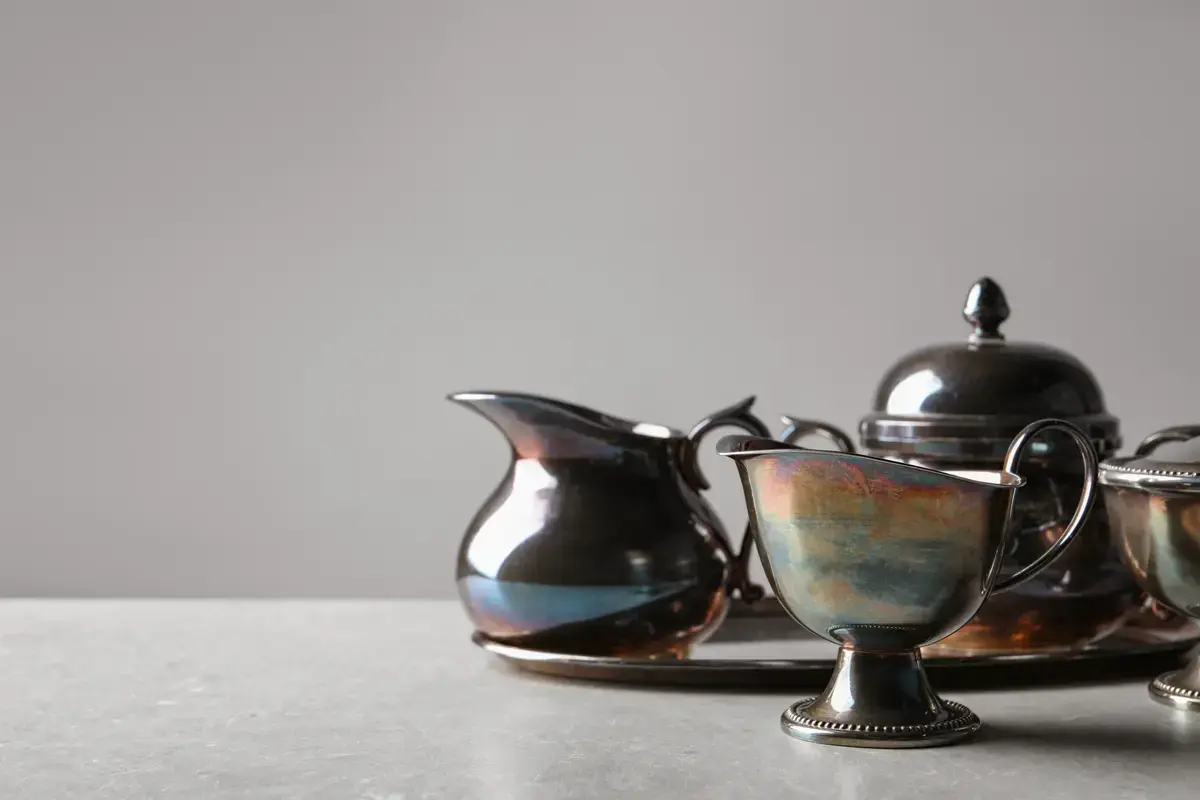
Silver-plated items have a base metal core with a microscopically thin silver coating. Common markings include "EPNS" (Electroplated Nickel Silver), "Silver Plate," "Silverplate," "SP," "A1," "Triple Plate," or "Quadruple Plate." These items often feel lighter than expected for their size. Tarnish and wear may reveal a different-colored base metal underneath, often copper (reddish) or nickel (grayish). The silver layer is typically only 1-50 microns thick.
How to check at home: Look for hallmarks first. If marked EPNS or Silver Plate, the item is plated. Check areas of wear, especially on handles, edges, and high-contact surfaces. If you see a different color showing through, the item is plated. The magnet test can help: silver plate on nickel will often have a slight magnetic attraction, while solid sterling will not. When in doubt, a professional dealer can identify the composition in seconds using acid testing or XRF analysis.
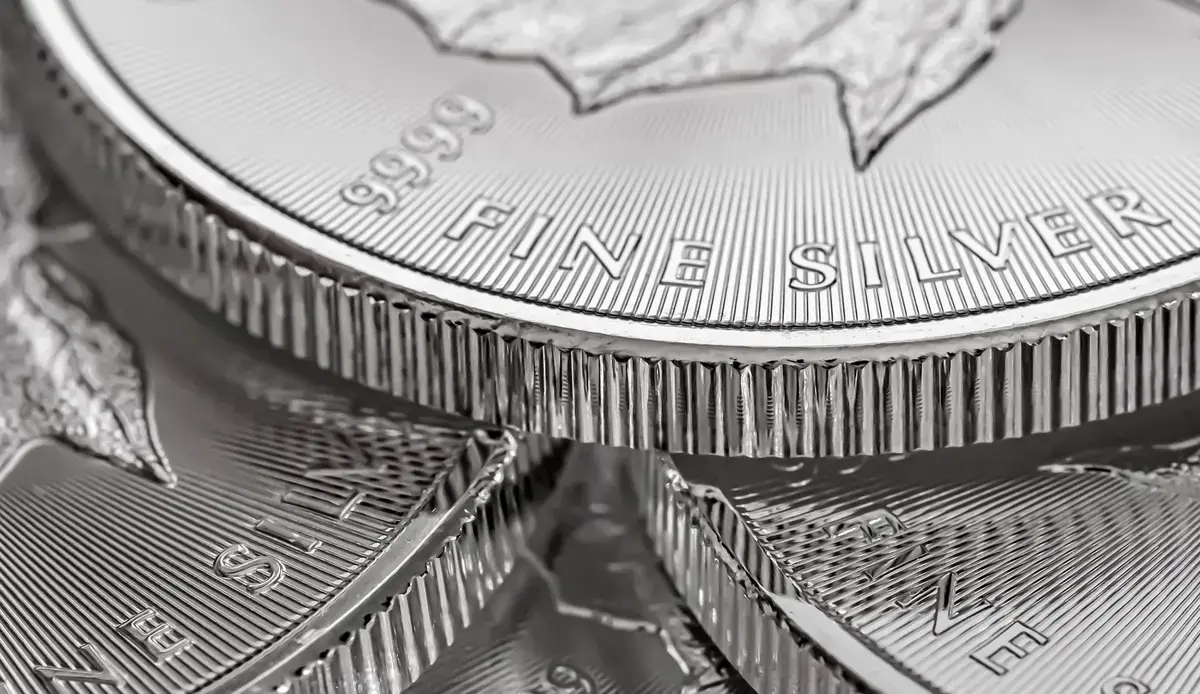
Identifying hallmarks is the fastest way to determine if your silver items are genuine sterling or silver plate.
What Should You Expect When Selling Silver in Toronto?
When you sell silver at a reputable Toronto dealer, expect a straightforward process of testing, weighing, and receiving an offer. The entire visit takes about 15 to 30 minutes. You should be able to watch every step of the evaluation. A trustworthy dealer explains their process clearly and welcomes your questions throughout the appraisal.
Testing comes first. The dealer examines each item for hallmarks and stamps. They perform acid testing or XRF analysis to confirm the silver content. Items are sorted by purity level: .999 fine silver, .925 sterling, .800 European silver, and plated or unknown items. Any item that tests as silver plate will be set aside and returned to you unless it has collectible value.
Weighing follows testing. Confirmed silver items are weighed on a certified, calibrated scale in your full view. The dealer records the weight in grams for each purity group. They then calculate the melt value using the current spot price, the confirmed purity, and the weight. Some dealers weigh items individually while others group items by purity level.
The offer and payment. The dealer presents a total offer based on their payout percentage of the calculated melt value. They should explain the spot price used, the purity of each group, and the payout percentage clearly. You are free to accept, negotiate, or decline without obligation. If you accept, payment is immediate. GoldAgo pays by cash, cheque, or electronic transfer on the same day, with no waiting period or hidden deductions.
How to Maximize Your Silver Selling Price
Maximize your silver selling price by sorting items before your visit, knowing your hallmarks, comparing at least three buyers, and selling in larger quantities. A prepared seller consistently receives 10-15% more than someone who walks in without doing any research. These steps take minimal effort but yield noticeably better results.
Sort your silver by type and purity. Separate sterling (.925) items from plated items before visiting a dealer. Group flatware, jewelry, and coins separately. This shows the dealer that you understand what you have, which discourages lowball offers. Removing non-silver components like stainless steel knife blades from sterling handles also speeds up the evaluation.
Know your hallmarks. Familiarize yourself with the stamps on each item. Knowing the difference between "925" (sterling) and "EPNS" (plated) prevents you from expecting too much for plated items or too little for genuine sterling. If you own pieces from recognized makers like Birks, Tiffany, or Georg Jensen, mention this because brand name and maker history can add value above melt price.
Compare buyers and sell in bulk. Visit at least three licensed silver buyers in the GTA and get written quotes from each. Bring all your silver items at once rather than selling piece by piece. Larger quantities qualify for higher payout percentages at most dealers. A seller bringing 2 kilograms of sterling will typically receive a better rate per gram than someone selling a single bracelet. Check our silverware buying page for current bulk rates on flatware and serving pieces.
Where Should You Sell Silver in the Greater Toronto Area?
The best place to sell silver in the Greater Toronto Area is a dedicated precious metals dealer who specializes in buying gold, silver, and other precious metals. Specialized dealers offer the highest payout rates because they process large volumes, have direct refinery relationships, and employ trained appraisers. They understand the market far better than generalist buyers.
Specialized precious metals dealers like GoldAgo offer the strongest combination of expertise, fair pricing, and convenience. We use professional XRF analyzers and acid testing to verify purity accurately. Our rates reflect real-time market conditions. We buy all forms of silver from jewelry to flatware to coins. With an A+ BBB rating and 4.9 stars from 847 reviews, you can trust the evaluation process.
Pawn shops are a convenient but expensive option. Most pawn shops pay 30-50% less than specialized dealers for silver. Their primary business model is lending, not precious metals trading. They may also lack the testing equipment needed for accurate silver identification. Online buyers add shipping risk, insurance costs, and waiting periods that reduce your net payout. You also lose the ability to negotiate face to face.
Auction houses and consignment shops work for rare or antique silver with significant collector value. However, they charge 15-30% commission fees and sales can take weeks or months. For standard sterling silver jewelry and flatware, a direct sale to a specialized dealer provides the fastest payment and highest net return. GoldAgo is located at 7800 Woodbine Ave in Markham, easily accessible from across the GTA, and offers free evaluations with no obligation to sell.