Why Are So Many Toronto Residents Selling Gold in 2026?
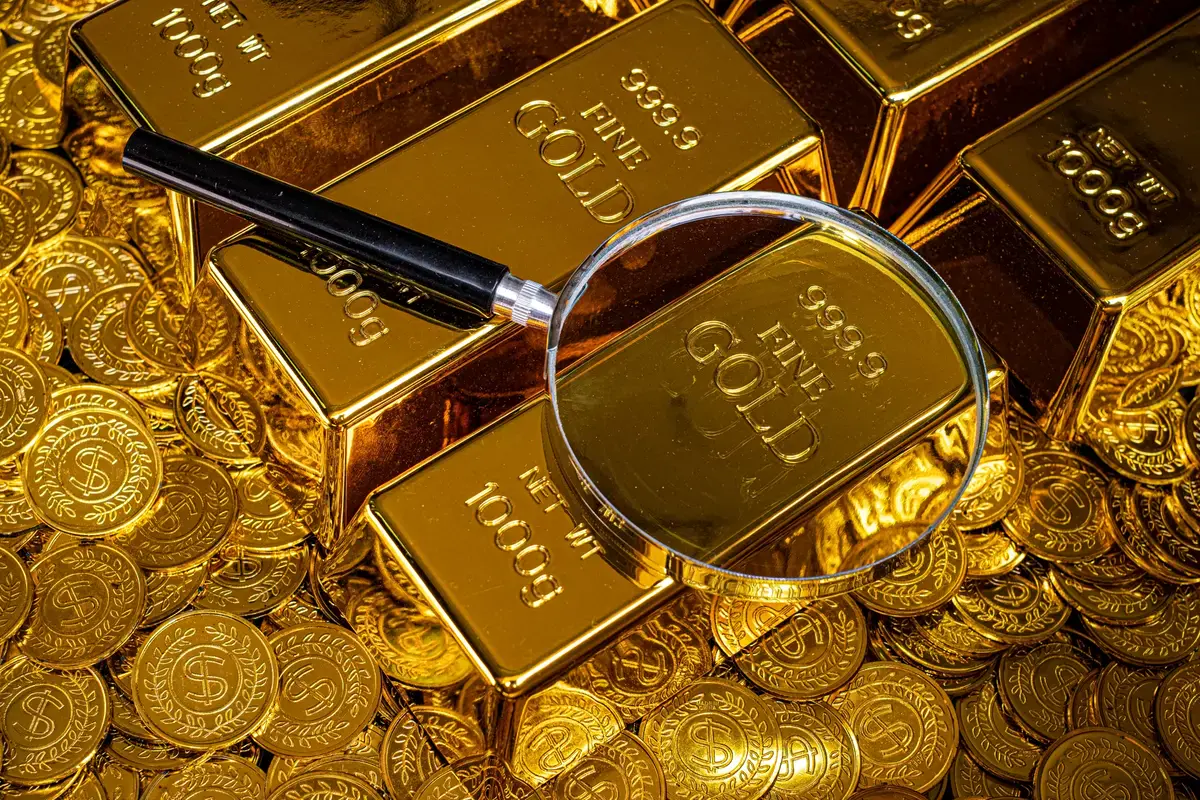
Record gold prices and shifting economic conditions are driving thousands of Toronto residents to sell their gold in 2026. The spot price of gold has surged past historic highs, making old jewelry, inherited coins, and forgotten bullion more valuable than ever before. If you own gold, right now represents one of the strongest selling windows in decades.
Global inflation, central bank buying, and geopolitical uncertainty have all pushed gold prices upward since 2023. The Bank of Canada's monetary policy decisions continue to influence the Canadian dollar, which directly affects how much your gold is worth in CAD. A weaker dollar means higher gold prices for Canadian sellers.
Many homeowners are discovering forgotten gold pieces during spring cleaning, renovations, or estate settlements. Items that seemed worthless five years ago now carry significant value. A simple 14K gold chain that weighed 20 grams might have been worth $400 in 2020. That same chain could fetch $700 or more in today's market.
Toronto's thriving precious metals market also plays a role. The city hosts dozens of licensed gold buyers competing for your business. This competition drives up the payout percentages, meaning sellers in Toronto often receive better rates than those in smaller Canadian cities. Understanding this market gives you a clear advantage.
What Types of Gold Can You Sell in Toronto?
You can sell almost any form of gold to a reputable Toronto buyer, including jewelry, coins, bullion bars, dental gold, and scrap pieces. Each gold type has a different valuation method, but all carry real monetary value based on weight and purity. Even broken or damaged gold items retain their melt value.
Gold jewelry is the most commonly sold item. This includes rings, necklaces, bracelets, earrings, and brooches in 10K, 14K, 18K, or 24K gold. You can sell your gold jewelry regardless of condition. Broken clasps, missing stones, and tangled chains do not reduce the gold's melt value.
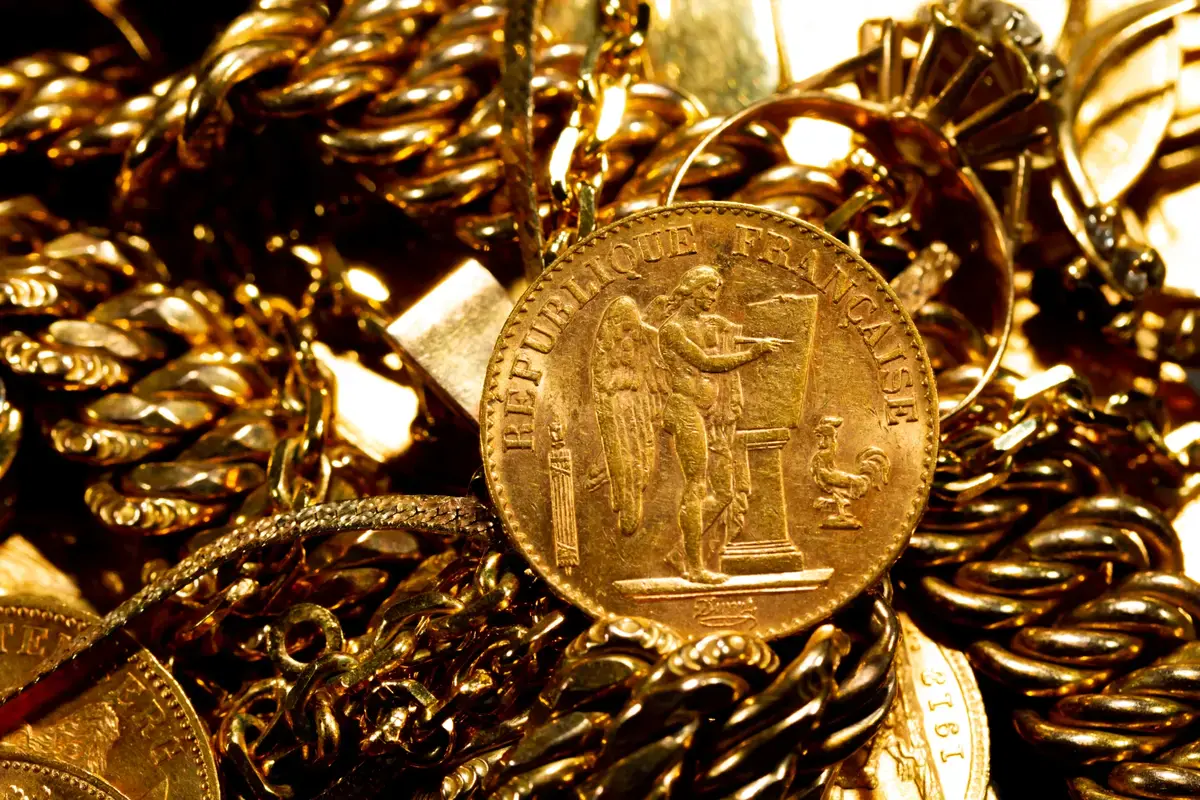
Gold coins carry value beyond their gold content. Canadian Gold Maple Leafs, American Gold Eagles, and South African Krugerrands often sell for a premium above melt value. Rare or collectible coins may be worth significantly more to numismatic collectors. Always get a specialized evaluation for coins before accepting a melt-value offer.
Gold bullion bars and rounds represent pure investment gold. These typically sell closest to the spot price since their purity is already certified. Dental gold and scrap gold are less common but equally sellable. Dental crowns and bridges contain real gold alloys. Scrap gold includes broken pieces, watch cases, gold-filled items, and industrial components. Visit our scrap gold buying page for details on what qualifies.
How Does the Gold Selling Process Work?
Selling gold at a reputable Toronto dealer follows a straightforward five-step process that takes about 15 to 30 minutes from start to finish. You walk in with your gold, receive a free evaluation, hear an offer, accept or decline, and leave with payment. No appointment is necessary at most established dealers.
Step 1: Gather your gold items. Collect everything you want to sell and sort items by type if possible. Separate jewelry from coins and bullion. Remove any non-gold attachments like leather straps or fabric cords. You do not need to clean or polish your gold before bringing it in.
Step 2: Research and choose a buyer. Look for licensed, insured precious metals dealers with strong reviews. Check their rating with the Better Business Bureau. GoldAgo holds an A+ BBB rating with 4.9 stars from 847 reviews, giving you confidence in the evaluation process.
Step 3: Get a professional appraisal. The dealer tests your gold's purity using acid testing, electronic testing, or XRF analysis. They weigh each item on a certified scale visible to you. They then calculate the offer based on current spot prices, purity, and weight. Visit our appraisals page to learn about our free evaluation process.
Step 4: Review and accept the offer. A reputable dealer will explain every detail of the offer. They will show you the weight, purity results, and the spot price they used. You are free to decline without any obligation or pressure. Step 5: Receive immediate payment. Once you accept, you get paid on the spot by cash, cheque, or electronic transfer.
How Do Gold Buyers Determine Your Gold's Value?
Gold buyers calculate your item's value using three key factors: karat purity, weight in grams, and the current spot price of gold. They multiply these together to determine the melt value, then apply their payout percentage. Understanding this formula helps you verify that any offer you receive is fair and transparent.
The karat system measures gold purity on a 24-point scale. Pure gold is 24K (99.9% gold). Common jewelry karats and their gold content include: 10K contains 41.7% gold, 14K contains 58.5% gold, 18K contains 75% gold, and 22K contains 91.7% gold. Higher karat means more gold content and higher value per gram.
Dealers use the spot price as their starting point. This is the current market price for one troy ounce of pure gold. They convert it to a per-gram rate, then multiply by your item's purity percentage. For example, if spot gold is $3,800 per ounce, one gram of pure gold is worth approximately $122 CAD. One gram of 14K gold would be worth about $71 CAD at melt value.
Purity testing methods include acid testing, electronic conductivity testing, and X-ray fluorescence (XRF) analysis. Acid testing is the traditional method where a small scratch is tested with nitric acid. XRF analysis is the most accurate non-destructive method. Reputable dealers use at least two testing methods to confirm purity before making an offer.

Professional gold testing ensures accurate purity assessment and fair pricing for sellers.
What Documents Do You Need to Sell Gold in Ontario?
You need valid government-issued photo identification to sell gold at any licensed dealer in Ontario. This is a legal requirement, not a suggestion. Acceptable forms include a driver's licence, Canadian passport, permanent resident card, or Ontario photo card. Dealers who skip ID verification are likely operating outside the law.
Ontario's Municipal Act requires secondhand goods dealers, including gold buyers, to maintain detailed records of every purchase. These records must include the seller's full name, address, date of birth, and a description of the items sold. The records are available to local police services for stolen property investigations.
For transactions over $10,000 CAD, federal FINTRAC (Financial Transactions and Reports Analysis Centre of Canada) regulations apply. The dealer must report large cash transactions and verify your identity through additional documentation. This is standard anti-money laundering compliance that protects both you and the dealer.
While not legally required, bringing supporting documentation can help you get a better price. Original purchase receipts, appraisal certificates, and certificates of authenticity for coins or bullion can confirm provenance. This is especially important for high-value items or rare collectible pieces where documentation adds to the item's worth beyond melt value.
How to Avoid Common Gold Selling Scams in Toronto
Protect yourself from gold selling scams by watching for clear red flags: buyers who do not request ID, use high-pressure tactics, hide their scale, or refuse to explain their calculations. Legitimate gold dealers welcome your questions and encourage you to compare offers. Scammers rely on urgency and confusion to underpay you.
Red flag: No visible scale. A reputable buyer weighs your gold on a certified, calibrated scale in plain view. If the buyer takes your gold to a back room for weighing, leave immediately. You should see the weight reading yourself. Ask if their scales are regularly calibrated and inspected.
Red flag: Pressure to sell now. Honest dealers give you time to consider their offer. They encourage you to shop around. A scammer will tell you the offer is only good today, or that gold prices are about to drop. These are manipulation tactics. Gold prices change gradually, and a fair offer today will be a fair offer tomorrow.
Red flag: Far below market offers. Before visiting any buyer, check the current gold spot price online. Calculate a rough estimate of your gold's melt value. If a buyer offers less than 60% of melt value, that is a strong sign of a lowball offer. Walk away and find a buyer who pays competitive rates. Reputable buyers like GoldAgo pay 70-90% of melt value depending on the item type and quantity.
Is Selling Gold Taxable in Canada?
The tax treatment of gold sales in Canada depends on whether the item qualifies as personal-use property or investment property. Personal-use gold jewelry sold for under $1,000 is generally exempt from capital gains tax. Investment gold, including bullion and coins held for profit, is subject to capital gains rules regardless of the sale amount.
Under Canadian tax law, personal-use property includes jewelry, watches, and ornamental items you owned and used personally. If you sell a personal gold item for less than $1,000, you do not need to report the sale. If the sale price exceeds $1,000 and the item appreciated in value, only 50% of the capital gain is taxable at your marginal tax rate.
Investment gold follows different rules. Gold bullion bars, investment coins, and gold purchased specifically as an investment are not classified as personal-use property. Capital gains on these items are taxable regardless of the sale amount. You calculate the gain by subtracting your original purchase price (adjusted cost base) from the sale price.
Keep records of your gold purchases and sales for tax purposes. This includes purchase receipts, sale receipts from the dealer, and any appraisal documents. If you inherited gold, your cost base is the fair market value at the time of inheritance. Consult a qualified Canadian tax professional for advice specific to your situation. The CRA provides clear guidance on personal-use property in Income Tax Folio S3-F9-C1.
How to Get the Best Price for Your Gold in Toronto
Get the highest price for your gold by comparing offers from at least three different buyers, understanding the current spot price, and choosing the right time to sell. Preparation and knowledge are your strongest negotiating tools. Sellers who research before visiting a dealer consistently receive 10-15% more than those who accept the first offer.
Compare multiple buyers. Visit at least three licensed gold buyers in the Greater Toronto Area. Get written offers from each and compare them side by side. Note the payout percentage each buyer offers relative to melt value. GoldAgo provides free, no-obligation quotes that you can use for comparison purposes.
Understand the spot price. Check the live gold spot price in CAD before visiting any buyer. Websites like Kitco and the London Bullion Market Association provide real-time pricing. Calculate the approximate melt value of your gold so you know the maximum possible payout. This knowledge prevents you from accepting an unreasonably low offer.
Time your sale wisely. Gold prices fluctuate throughout the day based on global markets. Prices tend to be higher during periods of economic uncertainty, inflation, or geopolitical tension. Selling during a price upswing can add hundreds of dollars to your payout. Monitor prices for a few days before selling if you are not in a rush. Bring all your gold items at once, as larger lots often receive higher payout percentages from dealers.