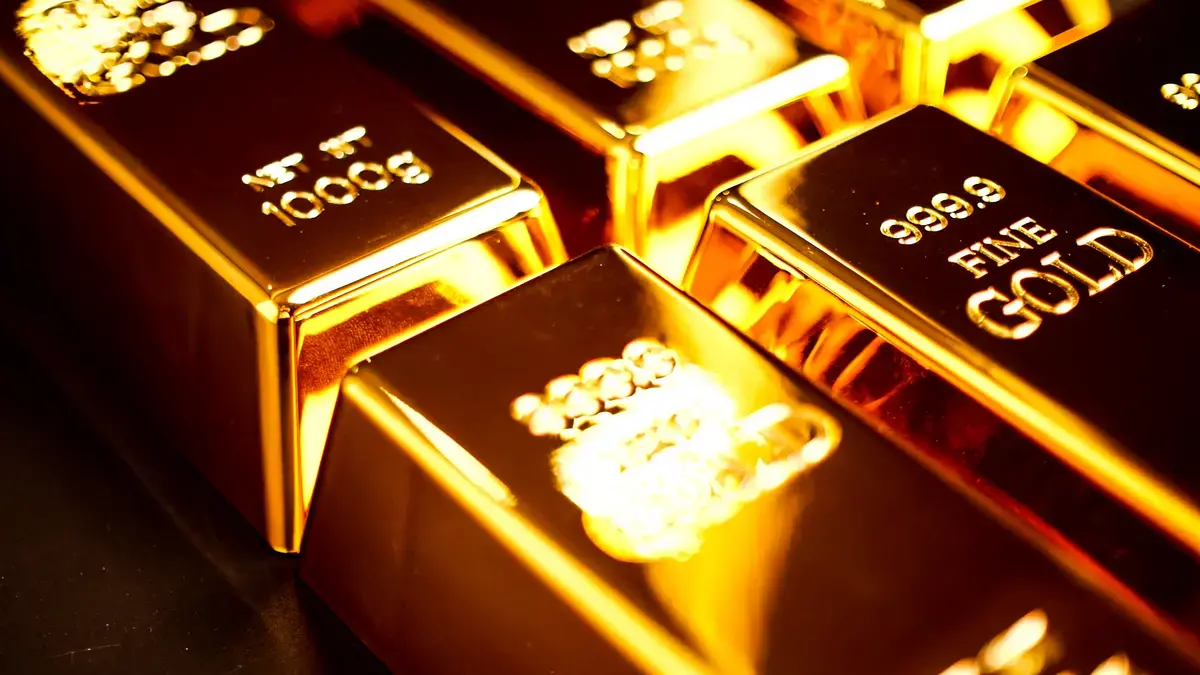
Why Are Investors Comparing Gold and Silver in 2026?
Investors are comparing gold and silver in 2026 because both metals have reached record-breaking price levels. Gold hit all-time highs driven by central bank purchasing and inflation hedging. Silver outperformed gold on a percentage basis thanks to surging industrial demand. The question of optimal allocation has never been more relevant.
Global economic uncertainty continues to drive demand for tangible assets. Persistent inflation across G7 economies has eroded purchasing power of fiat currencies. Canadian investors face a weakening dollar against the US greenback. Both gold and silver provide a hedge against these macroeconomic pressures.
Central banks purchased record quantities of gold through 2024 and 2025. China, India, Poland, and Turkey led the buying. This institutional demand creates a floor under gold prices. Meanwhile, silver benefits from the global push toward renewable energy. Solar panel manufacturing alone consumes over 140 million ounces of silver annually.
Portfolio diversification remains the primary driver for Canadian retail investors. Traditional 60/40 stock-bond portfolios have underperformed during periods of high inflation. Adding precious metals provides uncorrelated returns and genuine inflation protection. The debate centers on the optimal split between gold's stability and silver's growth potential.
How Have Gold and Silver Performed Historically?
Over the past 20 years, gold has delivered steady, reliable returns while silver has provided higher percentage gains with greater volatility. Gold rose approximately 64% through 2025 from its 2020 levels. Silver climbed roughly 145% over the same period. However, silver's path included sharper drawdowns during corrections.
Gold's track record shows consistent upward momentum during periods of economic stress. Gold performed exceptionally during the 2008 financial crisis, the 2020 pandemic, and the 2022-2025 inflationary period. It reached new all-time highs above $2,700 USD per ounce in late 2024. Gold's annual volatility typically ranges between 12% and 18%.
Silver's performance demonstrates higher beta characteristics. When precious metals rise, silver tends to outperform gold on a percentage basis. When metals decline, silver falls harder. Silver surged from roughly $12 per ounce in March 2020 to over $30 per ounce by late 2025. That 150% gain dwarfed gold's return over the same period.
The key difference lies in volatility. Silver's annual price swings can exceed 30%, nearly double gold's volatility. This means silver offers higher potential returns but demands a stronger tolerance for price fluctuations. Investors who bought silver at its 2021 peak of $30 experienced a drop to $18 before recovering. Gold investors faced much smaller drawdowns during the same period.
What Is the Gold-to-Silver Ratio and Why Does It Matter?
The gold-to-silver ratio measures how many ounces of silver it takes to purchase one ounce of gold. The ratio currently sits near 50:1, well below the historical average of approximately 65:1. This metric helps investors determine which metal offers better relative value and time their allocation decisions accordingly.
A ratio below the historical average suggests silver has been outperforming gold and may be relatively more expensive. A ratio above the average indicates silver is relatively cheaper compared to gold. At the March 2020 peak, the ratio hit 125:1, an extreme that signaled silver was deeply undervalued relative to gold.
How investors use the ratio: When the ratio is high (above 80:1), many investors shift allocation toward silver. When the ratio drops below 50:1, they may rebalance toward gold. Some investors practice "ratio trading," swapping between metals based on these extremes. The current 50:1 level is the lowest since 2011, suggesting silver's recent outperformance has been significant.
The ratio also reflects fundamental differences between the metals. Gold serves primarily as a monetary asset and store of value. Silver has dual monetary and industrial roles. When industrial demand for silver surges, the ratio compresses. When fear drives safe-haven buying, gold outperforms and the ratio expands. Understanding this dynamic helps you make smarter allocation choices.
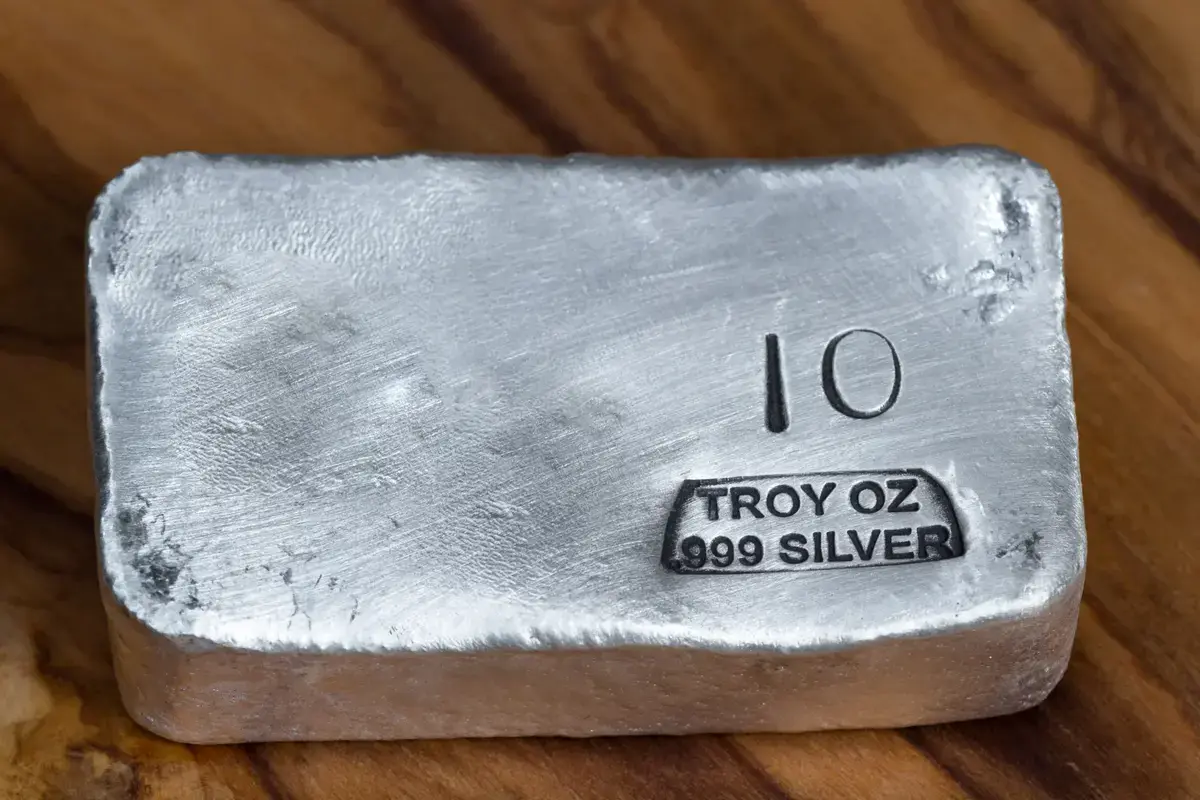
Both gold and silver play important roles in a diversified precious metals portfolio.
What Are the Key Advantages of Investing in Gold?
Gold offers superior stability, deep liquidity, strong central bank demand, proven inflation hedging, lower volatility, and easier storage compared to silver. These characteristics make gold the foundation of most precious metals portfolios. Gold serves as the anchor that provides confidence during market turbulence.
Stability and liquidity define gold's appeal. You can sell gold anywhere in the world within minutes. Gold markets operate 24 hours a day across London, New York, Shanghai, and Tokyo. The bid-ask spread on gold bullion remains tight even during market stress. This unmatched liquidity means you can convert gold to cash faster than almost any other tangible asset.
Central bank demand creates a structural floor under gold prices. Central banks worldwide purchased over 1,000 tonnes of gold in both 2023 and 2024. This institutional buying represents a long-term strategic shift away from US dollar reserves. When central banks buy, they rarely sell, which removes supply from the market permanently.
Storage efficiency gives gold a practical advantage. One ounce of gold worth approximately $2,700 CAD occupies about 1.7 cubic centimeters. The equivalent value in silver would weigh roughly 50 ounces and require significantly more storage space. For investors building substantial positions, gold's compact value density reduces storage costs. Browse our bullion sales page to explore investment-grade gold products.
What Are the Key Advantages of Investing in Silver?
Silver offers higher growth potential, surging industrial demand, a lower entry point for new investors, and a structural supply deficit that has persisted since 2021. These factors position silver as the growth component of a precious metals portfolio, especially for investors willing to accept greater price volatility.
Industrial demand sets silver apart from gold. Over 50% of silver demand comes from industrial applications. Solar panel manufacturing consumes massive quantities. Each standard solar panel contains approximately 20 grams of silver. The global push toward renewable energy creates predictable, growing demand. Electric vehicle production adds further industrial consumption through electrical contacts and connectors.
Supply deficit provides a compelling fundamental case. The Silver Institute reports that silver has been in a structural supply deficit since 2021. Mine production has failed to keep pace with combined industrial and investment demand. Above-ground inventories have been declining. This supply-demand imbalance supports higher prices over the medium to long term.
Lower entry point makes silver accessible. At roughly $35 to $40 CAD per ounce, silver allows smaller investors to build meaningful positions. You can purchase a single ounce of silver for the price of a modest lunch. This accessibility encourages regular purchases through dollar-cost averaging. Over time, consistent buying at various price points reduces your average cost and risk. View our gold bars and silver products to compare options.
How Should You Allocate Between Gold and Silver?
Most financial advisors recommend a 60% to 70% gold and 30% to 40% silver split within your precious metals allocation. Your total precious metals position should represent 5% to 10% of your overall investment portfolio. Adjust these ratios based on your risk tolerance, investment timeline, and market outlook.
Conservative investors should lean toward 70% gold and 30% silver. Gold's lower volatility protects capital during downturns. This allocation suits retirees, risk-averse investors, and those with shorter investment horizons. The gold-heavy portfolio sacrifices some upside potential for greater stability and peace of mind.
Growth-oriented investors can shift to 50% gold and 50% silver or even 40% gold and 60% silver. This aggressive allocation captures more upside during precious metals bull markets. However, it also means larger drawdowns during corrections. This approach suits younger investors with longer time horizons who can weather volatility.
Rebalancing matters. Review your precious metals allocation quarterly. If silver outperforms and grows to 50% of your allocation from an original 35% target, sell some silver and buy gold to rebalance. This disciplined approach forces you to sell high and buy low within your precious metals portfolio. It captures gains systematically rather than relying on market timing.
What Are the Best Ways to Buy Gold and Silver in Toronto?
Toronto investors can buy gold and silver through physical bullion from local dealers, government mint coins, exchange-traded funds, mining stocks, and RRSP/TFSA-eligible products. Physical bullion provides direct ownership and tangible security. Each method offers different advantages in terms of premiums, liquidity, and tax treatment.
Physical bullion and coins remain the preferred choice for most Canadian investors. Gold bars from refiners like the Royal Canadian Mint carry the lowest premiums above spot price. Canadian Gold Maple Leaf coins offer government-backed purity guarantees and global recognition. Silver bars and Canadian Silver Maple Leaf coins provide the same benefits at a lower price point. Visit our Canadian Gold Maple Leaf page for current pricing.
ETFs and mining stocks offer paper exposure without physical storage requirements. Canadian-listed precious metals ETFs like SPDR Gold Shares and iShares Silver Trust track metal prices closely. Mining stocks provide leveraged exposure but introduce company-specific risks. Paper investments sacrifice the tangible security that many precious metals investors prioritize.
Choosing a local dealer matters significantly. Look for established dealers with transparent pricing based on real-time spot prices. Verify buyback policies before purchasing. A dealer who buys and sells creates a complete relationship. Avoid dealers with excessive premiums above 5% for gold or 10% for silver. GoldAgo offers competitive pricing with full buyback guarantees on all products sold.
What Tax Implications Apply to Precious Metals Investment in Canada?
Profits from selling physical gold and silver are subject to capital gains tax in Canada. The capital gains inclusion rate applies to any profit above your purchase price. Certain precious metals products qualify for RRSP and TFSA accounts, which can shelter gains from taxation. Proper record keeping is essential.
Capital gains on physical metals: When you sell gold or silver for more than you paid, the profit is a capital gain. The current inclusion rate means a portion of that gain is added to your taxable income. For example, if you purchased gold for $2,000 and sold it for $3,000, the $1,000 gain is subject to the inclusion rate on your marginal tax bracket.
RRSP and TFSA eligible products: The CRA allows certain precious metals coins and bars in registered accounts. Canadian Gold Maple Leaf and Silver Maple Leaf coins qualify. Bars must meet minimum purity standards of 99.5% for gold and 99.9% for silver. Holding metals in registered accounts eliminates capital gains tax on profits, making them a powerful strategy for long-term investors.
Record keeping requirements: Maintain purchase receipts showing date, quantity, purity, and price paid for every transaction. Keep sale receipts with the same detail. Record all storage, insurance, and transaction fees as these may reduce your taxable gain. Consult a Canadian tax professional who understands precious metals taxation. The rules differ for personal-use versus investment holdings and can significantly affect your tax obligation.