What Is Estate Jewelry Liquidation and When Do You Need It?
Estate jewelry liquidation is the process of converting inherited or estate-owned jewelry and precious metals into cash. Executors, heirs, and beneficiaries typically need this service after a death, during divorce settlements, when downsizing, or due to financial necessity. The process requires careful planning to maximize value.
As an executor, you have a fiduciary duty to the estate's beneficiaries. This means you must obtain fair market value for all assets, including jewelry. Selling estate jewelry without proper appraisal or documentation can expose you to legal liability. Beneficiaries can challenge transactions they believe were below market value.
The timing of liquidation matters significantly. Precious metals prices fluctuate daily based on global spot prices. A collection heavy in gold and silver should be monitored against market trends. However, holding items too long creates storage risk and insurance costs. Most estates benefit from liquidating within three to six months after probate approval.
Estate jewelry often holds both financial and sentimental value. Family members should agree on which pieces to retain before beginning the liquidation process. Create a clear separation between items designated for family distribution and items approved for sale. This prevents disputes and emotional conflicts during an already difficult time.
What Are the First Steps After Inheriting Jewelry?
Your first priority after inheriting jewelry is to secure all items in a safe location. Then create a detailed inventory with photographs, obtain a formal appraisal, and review existing insurance policies. These four steps protect both the physical assets and your legal position as executor or beneficiary.
Secure the items immediately. Move all jewelry, watches, and precious metals to a home safe, bank safety deposit box, or secure storage facility. Conduct a thorough search of the deceased's residence. Check drawers, closets, hidden compartments, safety deposit boxes, and any storage units. Valuable pieces are often kept in unexpected locations.
Create a comprehensive inventory. List every piece with detailed descriptions including metal type, stones, markings, and condition. Photograph each item from multiple angles with a ruler for scale. Include close-ups of hallmarks, maker's marks, and any engraving. This inventory becomes your master reference document throughout the entire process.
Check insurance policies. Review the deceased's homeowner's or renter's insurance for scheduled jewelry items. Many policies have per-item limits of $1,500 to $2,500 for unscheduled jewelry. Filed appraisals from the deceased may exist with the insurance company. These documents provide historical value references and can help identify items you might otherwise overlook.
Do You Need a Probate Appraisal for Estate Jewelry in Ontario?
Yes, Ontario requires fair market value documentation for all estate assets exceeding certain thresholds when filing for probate. A certified appraisal establishes the value at the date of death, which becomes the cost basis for tax purposes. The Estate Administration Tax in Ontario is calculated on the total estate value.
Ontario's Estate Administration Tax applies at a rate of $5 per $1,000 for the first $50,000 and $15 per $1,000 above that threshold. Accurate jewelry appraisals ensure you pay the correct amount. Over-valuation costs the estate unnecessary tax. Under-valuation creates legal risk for the executor.
Choose a qualified appraiser. The appraisal must reflect fair market value at the date of death, not replacement value or liquidation value. Look for appraisers certified by recognized bodies such as the Canadian Jewellers Association. The appraiser should have experience with estate valuations specifically, as the methodology differs from insurance appraisals.
The appraisal document must include the appraiser's credentials, methodology used, individual item descriptions with photographs, and a signed statement of value. This document may need to withstand scrutiny from the CRA, beneficiaries, or the Ontario Superior Court. Invest in a thorough, professional appraisal. Visit our estate jewelry appraisal services to learn about our probate-ready valuation process.
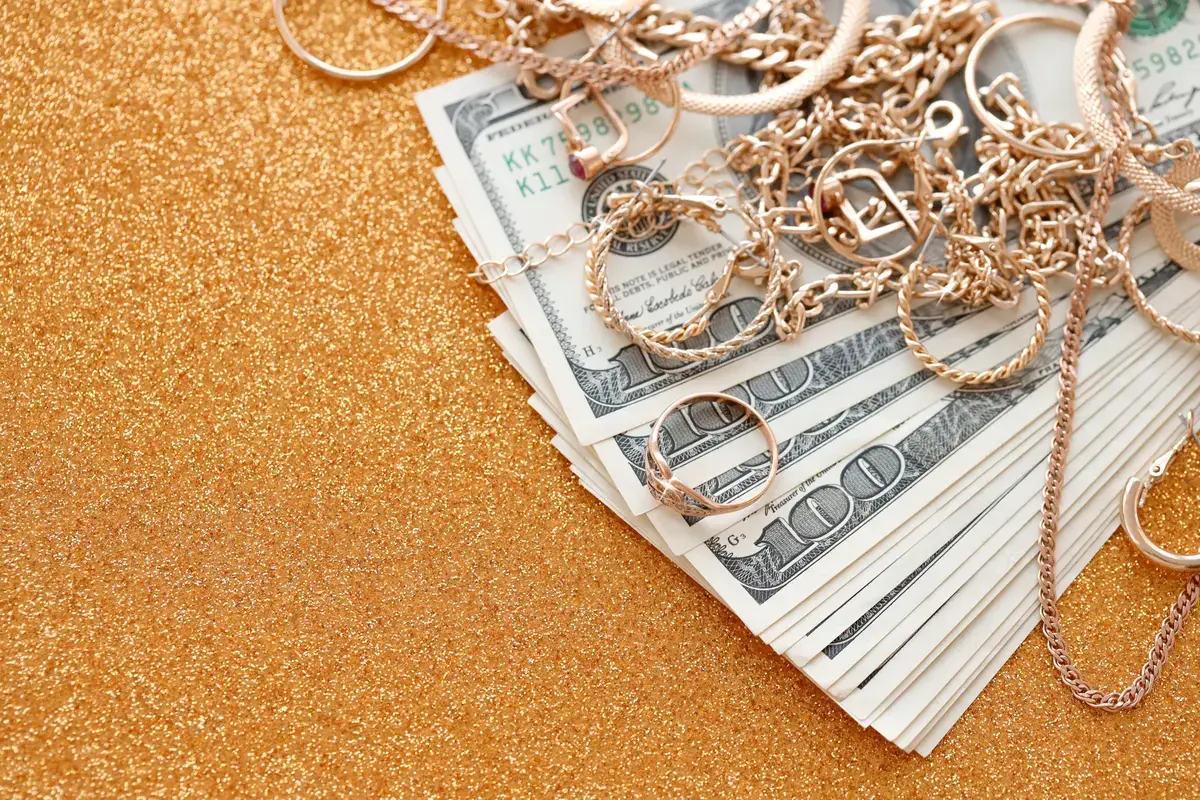
A certified appraiser documents and evaluates each piece in an estate jewelry collection.
What Are Your Options for Selling Estate Jewelry?
Executors have five main selling options: outright sale to a dealer, consignment through a jewelry store, auction house sale, online marketplace, or private sale. Each method offers different advantages in terms of speed, price, and convenience. Your choice depends on the collection's value, rarity, and your timeline.
Outright sale to a dealer provides the fastest resolution. Reputable dealers like GoldAgo evaluate your collection, make a transparent offer, and pay immediately upon acceptance. There are no commission fees or waiting periods. This method works best for gold, silver, platinum, and standard luxury items where market value is straightforward. Explore our estate liquidation services for details.
Auction houses suit rare, signed, or historically significant pieces. Major auction houses charge 15% to 25% buyer's and seller's premiums. The process takes 60 to 90 days minimum. There is no guaranteed sale price. However, competitive bidding can push prices well above dealer offers for exceptional pieces.
Consignment places your items in a jewelry store for sale at retail prices. You receive 50% to 70% of the selling price. Items may sit for months without selling. This works for unique designer pieces that appeal to retail buyers but is impractical for large collections requiring quick liquidation.
How Is Inherited Jewelry Taxed in Canada?
Canada does not impose an inheritance tax on received assets. However, capital gains tax applies when you sell inherited jewelry for more than its fair market value at the date of death. Personal-use property rules provide a minimum deemed cost base of $1,000 per item. Understanding these rules protects you from unexpected tax obligations.
The deemed disposition rule means the deceased is considered to have sold all assets at fair market value immediately before death. Any capital gain from the original purchase price to the date-of-death value is reported on the deceased's final tax return. As the heir, your cost base starts at the date-of-death fair market value.
Personal-use property rules apply to most inherited jewelry. The CRA sets a minimum deemed cost base and proceeds of disposition at $1,000 each. This means if you sell an inherited ring for $900, you report no capital gain. If you sell it for $1,500 and the appraised value at death was $1,200, you report a $300 capital gain.
Keep detailed records. Maintain the date-of-death appraisal, all sale receipts, and any costs associated with the sale. If the CRA audits the estate or your personal return, these documents prove your reported values. Consult a tax professional for estates with significant jewelry holdings. The capital gains inclusion rate and personal-use property exemptions can significantly affect your tax obligation.
What Types of Estate Jewelry Are Most Valuable?
Signed designer pieces, vintage Art Deco jewelry, luxury watches, and items with significant precious stone content hold the highest value in estate collections. A single signed Cartier or Van Cleef piece can be worth 3 to 10 times its raw material value. Identifying these items before selling prevents costly mistakes.
Signed designer pieces carry enormous brand premiums. Tiffany, Cartier, Van Cleef and Arpels, Bulgari, and David Yurman pieces command prices far above melt value. Look for maker's marks, serial numbers, and original packaging. Even damaged designer pieces retain significant value due to brand recognition.
Vintage and antique pieces from the Art Deco period (1920s-1930s) are highly sought after. Georgian, Victorian, and Edwardian jewelry attracts dedicated collectors. The craftsmanship, design elements, and historical significance add substantial value. Platinum and diamond Art Deco pieces frequently sell for five to ten times their material value.
Luxury watches represent a separate category requiring specialized knowledge. Rolex, Patek Philippe, Audemars Piguet, and Omega watches retain and often appreciate in value. Estate collections frequently contain watches the family undervalues. A vintage Rolex Submariner found in a drawer could be worth $15,000 to $25,000 or more.
How to Choose a Reputable Estate Jewelry Buyer in Toronto
Choose an estate jewelry buyer who is licensed, uses transparent testing methods, provides written offers, and applies no pressure to sell. Check for industry affiliations, online reviews, and Better Business Bureau ratings. A trustworthy buyer welcomes questions about their evaluation process and methodology.
Verify licensing and credentials. Ontario requires precious metals dealers to maintain proper business licensing. Ask about memberships in industry organizations such as the Canadian Jewellers Association. GoldAgo holds an A+ BBB rating and has served the Greater Toronto Area since 2010. Visit our estate jewelry buying page to understand our transparent evaluation process.
Demand transparency in testing. Reputable buyers test metals in front of you using XRF analyzers, acid tests, or electronic testers. They should explain the karat, weight, and current spot price used in their calculation. Avoid buyers who take items to a back room for testing. You should observe every step of the evaluation.
Get multiple offers. Visit at least three buyers before selling any estate jewelry. Written offers allow you to compare objectively. Be wary of any buyer who pressures you to sell immediately or claims their offer expires that day. Legitimate dealers stand behind their valuations and give you time to make informed decisions.
Essential Checklist: Your Step-by-Step Estate Liquidation Guide
Follow this nine-step checklist to ensure a thorough and profitable estate jewelry liquidation. Each step builds on the previous one and protects your interests as executor or beneficiary. Print this checklist and check off each item as you complete it.
- 1 Secure all items. Collect all jewelry, watches, and precious metals from the residence. Check safety deposit boxes, storage units, and hidden locations. Move everything to a secure location with documented chain of custody.
- 2 Create a detailed inventory. List every item with descriptions of metal type, stones, markings, and condition. Note any maker's marks or designer signatures.
- 3 Photograph everything. Take clear photos from multiple angles with proper lighting. Include close-ups of hallmarks, stamps, and signatures. Use a ruler or coin for scale reference.
- 4 Get a formal appraisal. Hire a certified appraiser for fair market value at date of death. This document serves probate, tax, and negotiation purposes.
- 5 Choose your selling method. Decide between dealer sale, auction, consignment, or private sale based on collection value, rarity, and your timeline.
- 6 Compare multiple offers. Get written offers from at least three buyers. Compare against your appraisal. Negotiate from a position of knowledge.
- 7 Gather documentation. Prepare death certificate, probate certificate, executor identification, appraisal report, and any existing jewelry documentation.
- 8 Complete the sale. Accept the best offer, provide required documentation, and receive payment. Get a detailed receipt listing every item sold with individual prices.
- 9 Maintain tax records. Keep all appraisals, sale receipts, and transaction records for a minimum of seven years. Report any capital gains on the appropriate tax return.
Following this checklist protects you legally and financially. Each step creates a documented trail that satisfies probate requirements, CRA obligations, and beneficiary expectations. Take your time with each phase. Rushing through estate liquidation often costs the estate significant value.