
Why Are Toronto Investors Buying Gold Bullion in 2026?
Toronto investors are buying gold bullion in 2026 because record-high prices, persistent inflation, and geopolitical instability have made physical gold one of the strongest safe-haven assets available. Gold protects purchasing power when the Canadian dollar weakens and stock markets drop.
The Bank of Canada's interest rate decisions continue to shape investor behavior. When rates stay low or decrease, the opportunity cost of holding gold shrinks. More investors move capital into physical assets. Gold bullion offers a tangible store of value that no government can debase through monetary policy.
Inflation has eroded the spending power of Canadian savings accounts. A dollar saved in 2020 buys significantly less today. Gold, on the other hand, has more than doubled in Canadian dollar terms over that period. Investors who allocated even 5-10% of their portfolio to gold bullion have seen meaningful protection against inflation.
Geopolitical uncertainty adds another layer. Trade tensions, conflicts, and supply chain disruptions push investors toward hard assets. Physical gold carries no counterparty risk. You own it outright. No bank, broker, or government stands between you and your investment.
Portfolio diversification remains the core reason financial advisors recommend gold. Gold moves independently of stocks and bonds. During market corrections, gold often rises. A well-diversified portfolio that includes gold bullion tends to experience lower volatility and steadier long-term returns.
What Types of Gold Bullion Can You Buy in Toronto?
Toronto dealers sell four main types of gold bullion: bars, coins, rounds, and wafers. Each product serves different investment goals, budgets, and storage preferences. Understanding the differences helps you make a smarter purchase.
Gold Bars are the most cost-efficient way to buy gold. They range from 1 gram to 1 kilogram. Popular sizes include 1 oz, 10 oz, and 1 kg bars from refiners like the Royal Canadian Mint, PAMP Suisse, and Valcambi. Bars carry the lowest premiums over spot price. They stack easily and store efficiently.
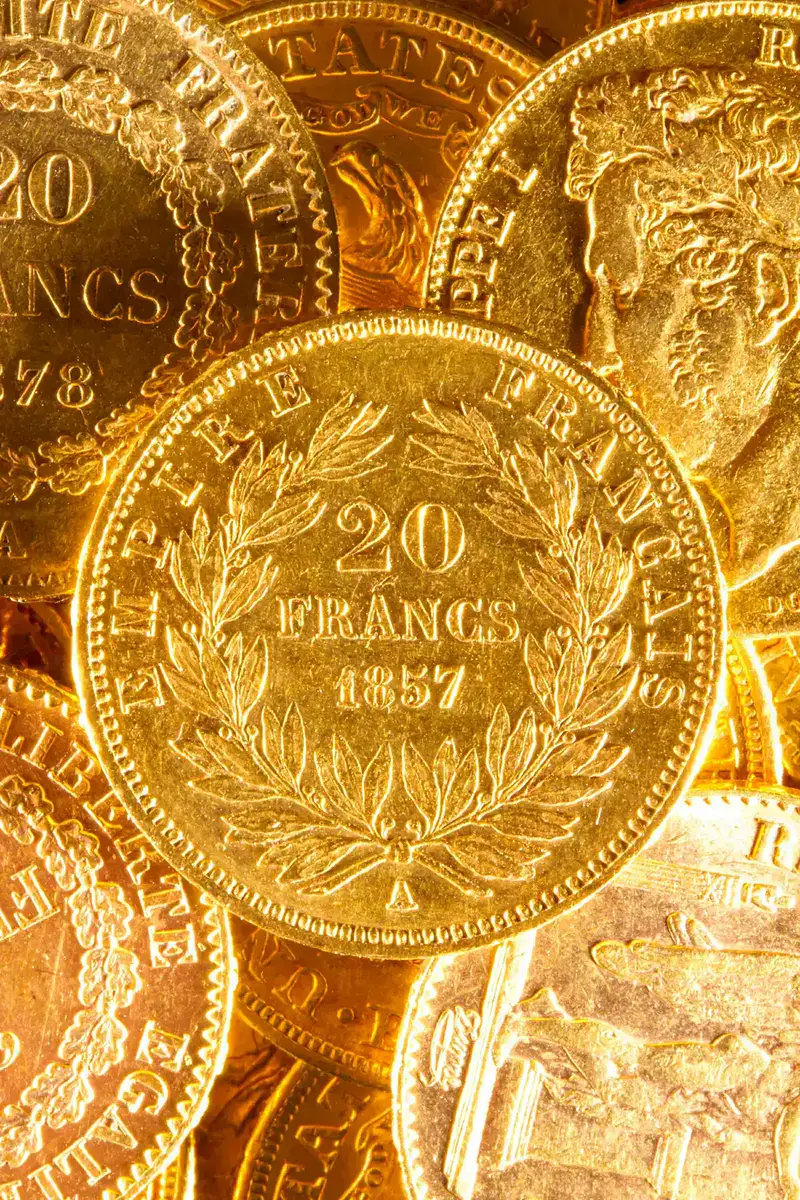
Gold Coins offer government-backed purity guarantees. The Canadian Gold Maple Leaf is the most popular choice for Toronto investors. It contains 1 troy ounce of .9999 fine gold. Other popular coins include the American Gold Eagle, South African Krugerrand, and British Britannia. Coins carry higher premiums than bars but are easier to sell in smaller quantities.
Gold Rounds look like coins but are produced by private mints rather than governments. They do not carry legal tender face values. Rounds typically cost less than coins because they lack government backing. They still contain the same amount of pure gold.
Gold Wafers are thin, flat bars usually ranging from 1 gram to 10 grams. Brands like PAMP and Valcambi produce sealed wafers with assay certificates. Wafers make excellent gifts and allow entry-level investors to start buying gold with a smaller budget.
How Do You Choose Between Gold Bars and Gold Coins?
Your choice between gold bars and gold coins depends on five factors: premium cost, liquidity, storage space, brand recognition, and resale ease. Bars save you money upfront while coins offer more flexibility when you sell.
Premium Differences. Gold bars carry premiums of 1-5% over the spot price. Gold coins carry premiums of 3-8%. The premium gap narrows on larger purchases. If minimizing cost per ounce matters most, bars are the clear winner.
Liquidity and Resale. Gold coins are more liquid. A 1 oz Canadian Maple Leaf is instantly recognized worldwide. Any dealer, pawn shop, or private buyer will accept it. Bars require assay verification, especially if the seal is broken. For quick resale, coins have the advantage.
Storage Considerations. Gold bars stack neatly and use space efficiently. A 10 oz bar takes up less room than ten 1 oz coins. If you plan to buy significant quantities and store them in a vault, bars reduce storage costs per ounce.
Tax Implications. Both investment-grade gold bars and coins from government mints are HST-exempt in Ontario. The purity must meet the .995 threshold. Numismatic coins with collector premiums may trigger different tax treatment. Always confirm exemption status before purchasing.
Many experienced Toronto investors buy both. They accumulate bars for long-term wealth storage and keep a portion in coins for liquidity. This balanced approach gives you the lowest average premium while maintaining the ability to sell in smaller increments.

Gold bars and coins are both popular choices among Toronto investors.
What Should You Look For in a Toronto Gold Dealer?
A trustworthy Toronto gold dealer should hold a valid business license, display transparent pricing based on live spot rates, maintain a physical storefront, and offer a guaranteed buyback policy. These four qualities separate reputable dealers from unreliable ones.
Licensing and Registration. Legitimate dealers register with Ontario's provincial authorities. They comply with anti-money laundering regulations under FINTRAC. Ask to see their credentials before making a purchase. Avoid dealers who operate exclusively online without verifiable business addresses.
Transparent Pricing. The best dealers price products based on real-time spot prices plus a clearly stated premium. You should see exactly how much you pay above spot. Be cautious of dealers who quote flat prices without referencing the current market rate.
Buyback Policy. A dealer who sells gold but refuses to buy it back should raise concerns. Reputable dealers like GoldAgo offer a standing buyback commitment at competitive rates. This gives you confidence that your investment remains liquid.
Product Authenticity. Your dealer should stock products from recognized mints and refiners. Look for sealed bars with assay certificates and coins with government markings. The Royal Canadian Mint, PAMP Suisse, Valcambi, and Perth Mint are industry standards. Counterfeit gold exists, so purchasing from an established dealer protects your investment.
How Much Does Gold Bullion Cost in Toronto?
Gold bullion cost in Toronto equals the current spot price per troy ounce plus a dealer premium. The spot price fluctuates every trading day. The premium varies by product type, size, and quantity. Understanding this breakdown prevents you from overpaying.
Spot Price. The gold spot price is set by international commodity markets and quoted in USD per troy ounce. Canadian dealers convert this to CAD. As of early 2026, gold trades above CAD $3,800 per ounce. You can check live prices on financial websites or ask your dealer directly.
Bar Premiums. Gold bars from major refiners carry premiums of 1-5% above spot. A 1 oz gold bar might cost $40 to $150 over spot. Larger bars like 10 oz and 1 kg pieces carry lower per-ounce premiums. Smaller bars (1g, 5g, 10g) carry premiums of 8-15% because manufacturing costs represent a larger proportion of the total price.
Coin Premiums. Government-minted coins carry premiums of 3-8% above spot. The Canadian Gold Maple Leaf typically carries a 4-6% premium. American Gold Eagles and Krugerrands fall in a similar range. Special edition or limited-mintage coins carry higher premiums and may appeal to collectors.
To get the best price, buy in larger denominations when your budget allows. Compare premiums across at least two or three Toronto dealers. Ask about volume discounts for purchases above 5 oz or 10 oz. Even small differences in premium percentages add up over time.
Do You Pay Tax on Gold Bullion Purchases in Ontario?
Investment-grade gold bullion is exempt from HST in Ontario. To qualify, bars must have a purity of .995 (99.5%) or higher. Coins must be produced by a recognized government mint. This exemption makes physical gold one of the most tax-efficient investments available to Ontario residents.
The Canada Revenue Agency defines qualifying precious metals clearly. Gold bars, ingots, and wafers refined to .995+ purity by any recognized refiner qualify. Coins produced by the Royal Canadian Mint, U.S. Mint, Royal Mint, Perth Mint, and other sovereign mints also qualify. The key requirement is purity, not weight or denomination.
What Does Get Taxed? Numismatic coins sold at collector premiums above their bullion value may be subject to HST. Jewelry-grade gold items, gold-plated products, and decorative gold pieces do not qualify for the exemption. If you buy a gold necklace, you pay HST. If you buy a 1 oz Gold Maple Leaf, you do not.
Capital gains rules also apply when you sell. If you profit from selling your gold, you must report the capital gain on your tax return. The CRA taxes 50% of capital gains at your marginal rate. Keep detailed purchase records including receipts, invoices, and certificates of authenticity.
The HST exemption represents a significant advantage. On a $3,800 gold coin, you save approximately $494 in tax compared to a non-exempt purchase. This savings alone makes buying investment-grade bullion far more attractive than other forms of gold ownership.
How Should You Store Your Gold Bullion Safely?
Safe gold storage requires protection from theft, fire, water damage, and unauthorized access. Your three main options are a home safe, a bank safety deposit box, or a private vault. Each option balances accessibility, security, and cost differently.
Home Safe. A fireproof, bolt-down safe rated TL-15 or higher provides reasonable security for modest holdings. Home storage gives you instant access. The downsides include theft risk and limited insurance coverage. Most homeowner policies cap precious metals coverage at $1,000 to $2,500 unless you purchase a rider.
Bank Safety Deposit Box. Banks offer secure storage at $50 to $200 per year depending on box size. Your gold sits inside a vault with security systems. However, banks do not insure the contents of deposit boxes. Access is limited to banking hours. In rare cases, banks can restrict access during financial emergencies.
Private Vault Storage. Professional precious metals storage facilities offer the highest level of security. Look for facilities that provide segregated storage, where your specific bars and coins are held separately from other clients' holdings. Allocated storage means your exact pieces are identified and reserved for you.
Insurance is essential regardless of your storage method. Specialized precious metals insurance covers the full replacement value of your holdings. Keep inventory records with photographs, serial numbers, and certificates. Store backup documentation in a separate location from your physical gold.
What Is GoldAgo's Buyback Guarantee for Gold Bullion?
GoldAgo offers a standing buyback guarantee on all gold bullion purchased through our store. You can return at any time to sell your gold back at competitive market rates. We pay based on the live spot price, provide instant payment, and handle the entire process in a single visit.
Our buyback program eliminates the uncertainty that many gold investors face. You never have to search for a buyer or negotiate with strangers online. Walk into our Markham location, present your gold, and receive a transparent offer based on current market conditions. If you accept, you receive payment immediately.
We buy back all major gold products including Canadian Maple Leafs, American Eagles, Krugerrands, Britannias, and bars from recognized refiners. Products in original packaging with intact assay certificates receive the highest offers. Even if your packaging is opened, we still provide competitive rates based on the gold content.
This buyback commitment reflects our confidence in the products we sell. When you buy gold bullion from GoldAgo, you invest with the peace of mind that your exit strategy is already in place. Rated 4.9 stars from over 847 client reviews, GoldAgo has served the Greater Toronto Area since 2010 with honest valuations and fair dealing.