Why Spring 2026 Is a Strong Window for Bullion Sellers
Spring consistently brings Toronto's bullion market to life. As investors review their portfolio performance from the prior year, file their taxes, and assess their asset allocation, many decide to rebalance by liquidating a portion of their gold holdings. This seasonal selling activity coincides with 2026's historically elevated gold spot prices, making the combination particularly favourable for sellers.
Gold opened 2026 near CAD $3,800 per troy ounce and has maintained strength into the spring, supported by central bank buying from China, India, and Poland, as well as persistent inflation and demand for safe-haven assets. For investors who purchased Canadian Gold Maple Leafs or American Gold Eagles when gold was trading below $2,500 CAD, their unrealized gains are now substantial.
The question most bullion holders ask in a high-price environment is: should I sell now or wait for higher prices? The honest answer is that no one can reliably predict short-term gold price movements. What can be said with confidence is that current prices represent a strong selling opportunity relative to any point in the past five years. Selling a portion of your holdings now to lock in gains is a rational portfolio strategy, particularly if gold represents a higher percentage of your portfolio than your target allocation.
GoldAgo's bullion buying service offers competitive rates tied directly to live spot pricing. When you walk in with coins or bars, we quote based on the current real-time spot price, not a fixed daily rate that may lag the market. Visit our bullion services page for details on what we buy and at what rates.
Gold Coins vs. Bullion Bars: How Each Is Valued
Gold coins and bullion bars are both liquid, sellable assets, but they are valued differently and attract different buyer types. Understanding the distinction helps you set accurate price expectations before visiting any Toronto dealer.
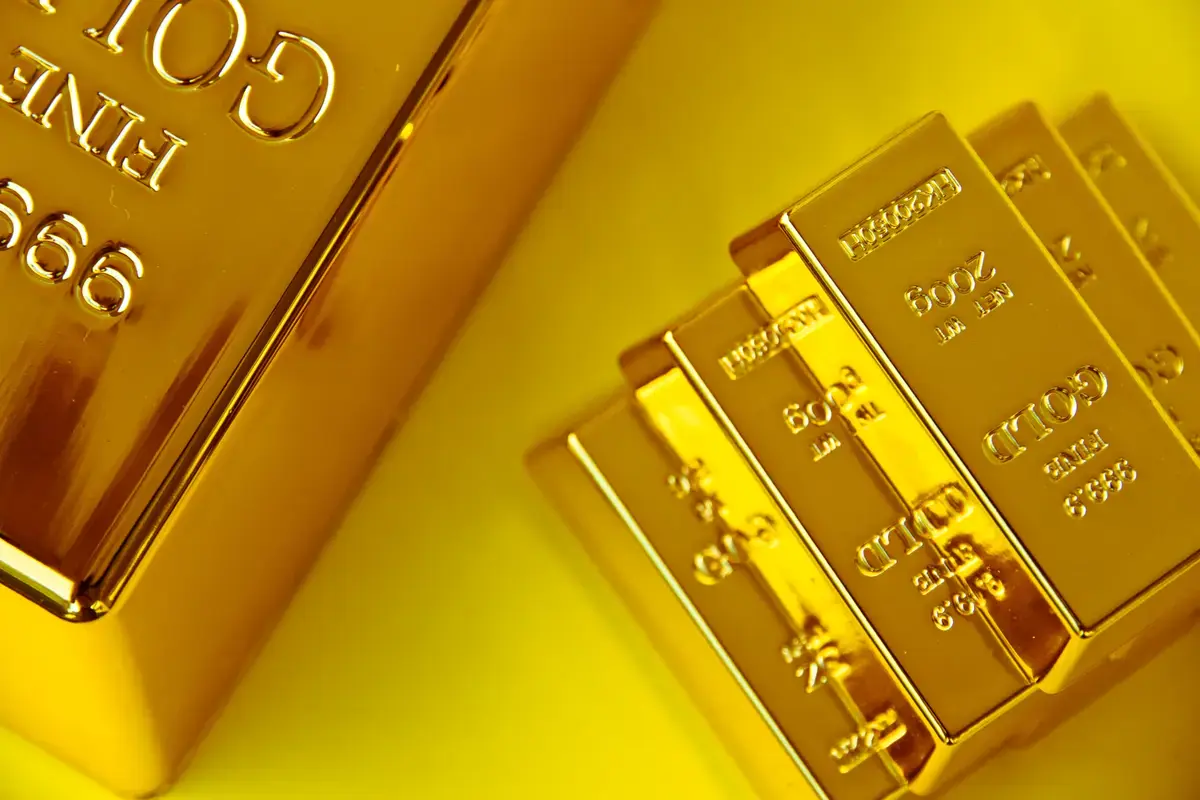
Gold bullion bars are the simplest transaction. A PAMP Suisse or Royal Canadian Mint gold bar is 99.9% pure gold. Its value is determined by weight and the current spot price, with no additional premium for design or collector appeal. Dealers typically offer 96–99% of spot price for certified bars with intact assay cards. Bars without assay cards or from unknown refiners are treated with more scrutiny and may receive a lower offer until purity is independently verified.
Gold bullion coins, like the Canadian Maple Leaf, American Gold Eagle, South African Krugerrand, and Vienna Philharmonic, carry a numismatic component on top of their gold content. Bullion coins in excellent, uncirculated condition typically sell at 95–98% of spot price. Proof and special edition coins, which are produced in limited quantities with mirror finishes, can command premiums of 5–20% above melt value depending on the specific issue and collector demand.
The practical difference when selling: bars are faster to process and have a predictable payout rate. Coins require individual evaluation, but may yield a better return if they carry numismatic value. Bring both your coins and bars for evaluation in a single visit, GoldAgo evaluates all bullion types and pays competitive rates across the full spectrum. Our gold coin buying page details our evaluation process.
Popular Coins and What Toronto Buyers Pay for Each
Different bullion coins command different premiums in the Toronto market. The table below outlines the most commonly sold coins and typical payout ranges at reputable dealers in spring 2026. Rates are approximate and fluctuate with the daily spot price.
| Coin | Gold Content | Purity | Typical Payout (% of spot) |
|---|---|---|---|
| Canadian Gold Maple Leaf | 1 oz / ½ oz / ¼ oz / 1/10 oz | 99.99% | 96–98% |
| American Gold Eagle | 1 oz / ½ oz / ¼ oz / 1/10 oz | 91.67% (22K) | 95–97% |
| South African Krugerrand | 1 oz / fractional sizes | 91.67% (22K) | 94–96% |
| Austrian Vienna Philharmonic | 1 oz / fractional sizes | 99.99% | 95–97% |
| Australian Gold Kangaroo | 1 oz / fractional sizes | 99.99% | 95–97% |
Fractional coins (½ oz, ¼ oz, 1/10 oz) typically receive slightly lower percentage payouts than full one-ounce coins due to higher per-coin processing costs. If you hold fractional coins, selling them in bulk rather than individually can help improve your aggregate payout rate.
When Coins Are Worth More Than Their Gold: Numismatic Value
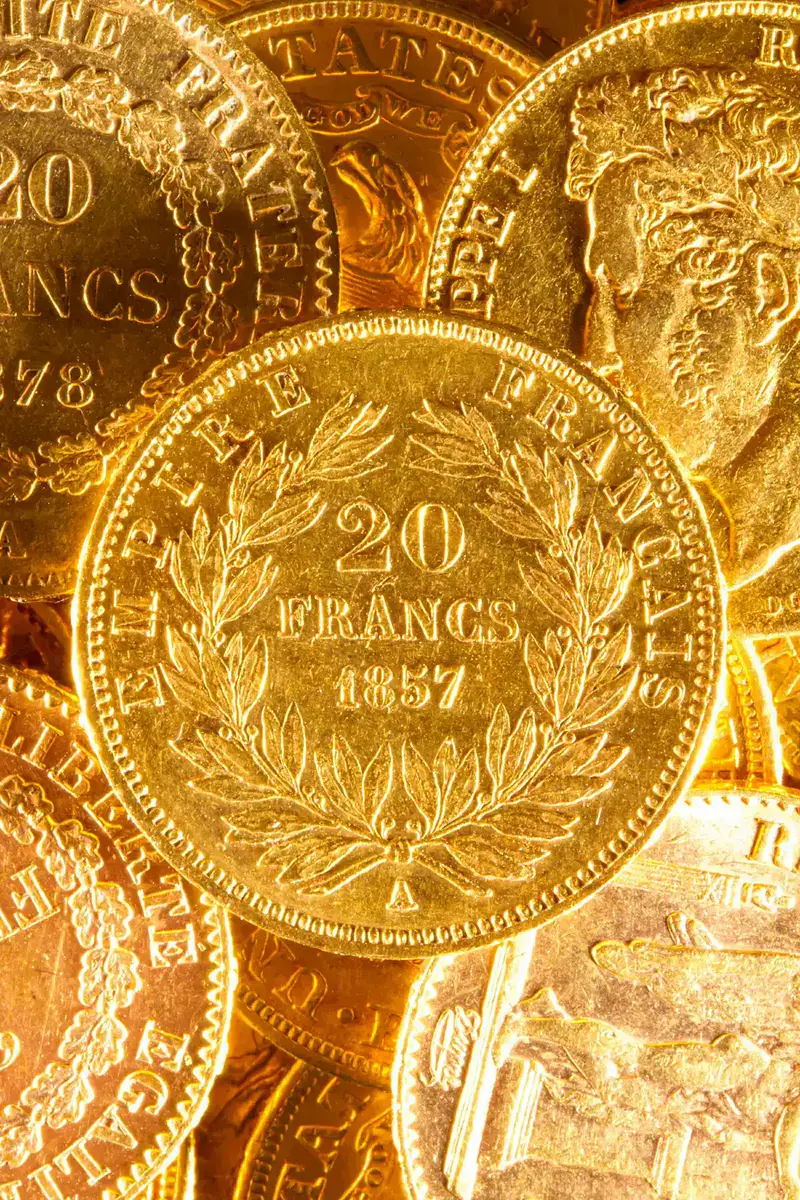
Not all gold coins are sold purely for their gold content. Numismatic coins, those with collector value beyond their melt value, can command significant premiums in the right market. Knowing whether your coins have numismatic value is the difference between receiving spot price and receiving substantially more.
Numismatic premium is driven by rarity, demand, condition (grade), and historical significance. Canadian pre-confederation gold coins, early Royal Canadian Mint issues, limited-mintage proof coins, and error coins all have potential collector value. A 1967 centennial gold coin in MS-65 grade is worth far more than its gold melt value to a numismatic collector.
For modern bullion coins, standard uncirculated Maple Leafs purchased from a dealer, the numismatic premium is minimal. But for coins purchased from a collection, inherited from a family member, or found in an estate with old Canadian or foreign currency, always get a numismatic evaluation before accepting a melt-value offer. A coin buyer who specializes in bullion may not offer numismatic premiums; seek out a dealer experienced in both bullion and coin collecting.
GoldAgo evaluates both the bullion and numismatic aspects of every coin we appraise. If a coin has collector value, we will tell you, and either offer the appropriate premium or advise you on where to get maximum numismatic value. We believe in giving sellers complete information, not just the offer that suits us best.
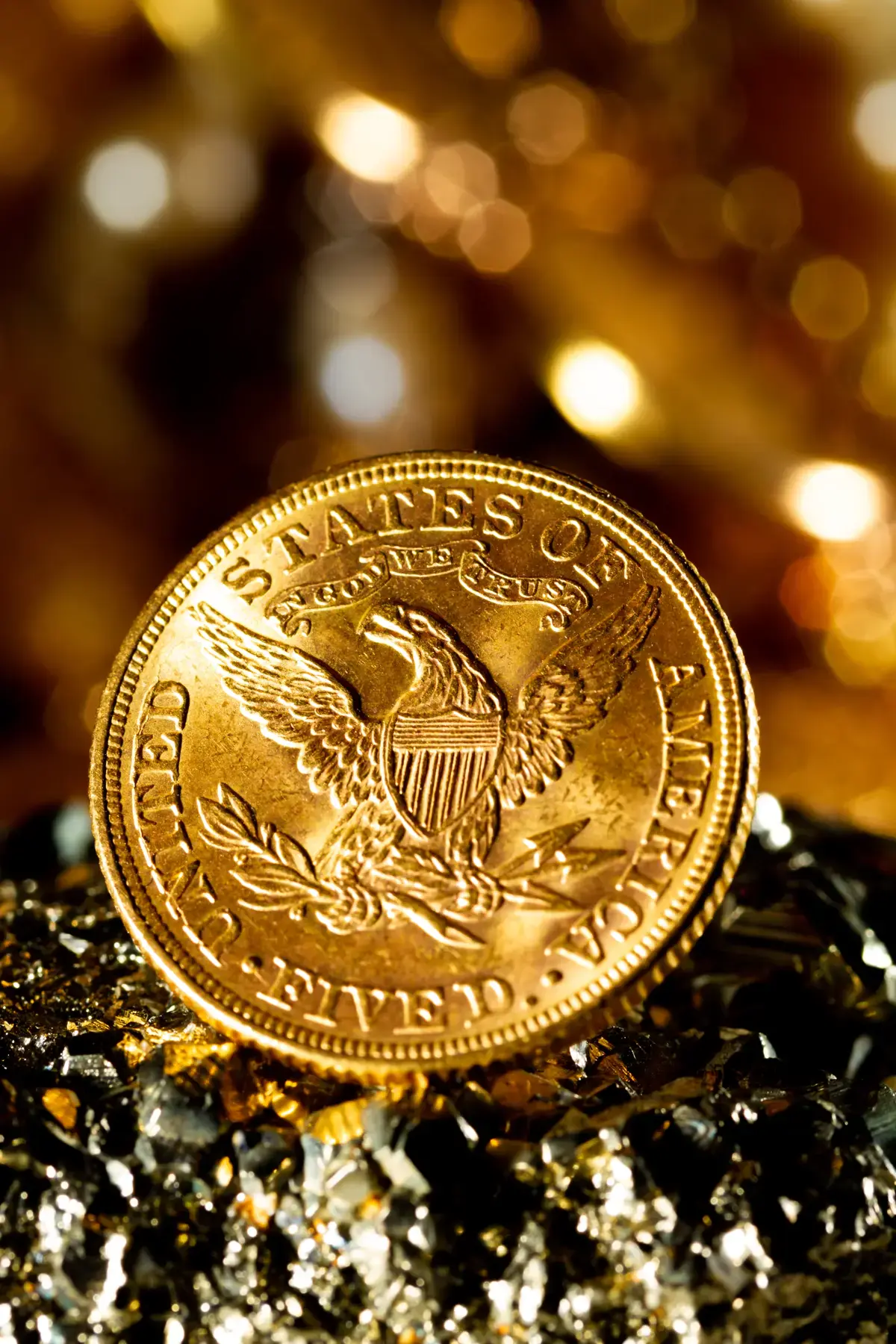
Each gold coin is evaluated individually for both its gold content and any applicable numismatic premium before a payout offer is made.
How Condition and Grading Affect Bullion Coin Payouts
Unlike gold jewelry, where condition has minimal impact on melt-value payouts, coin condition directly affects what a buyer will pay for bullion coins, particularly for coins with potential numismatic value. Understanding coin grading helps you preserve the value of your holdings before bringing them in for sale.
Uncirculated (MS/BU) coins in original mint condition command the highest premiums. These coins have no wear, full original luster, and no contact marks beyond what is typical from the minting process. Storing coins in their original capsules and tubes, away from humidity and direct handling, preserves uncirculated grade.
Circulated coins that show wear, scratches, or contact marks are still highly valuable as bullion, but they typically receive payout rates closer to melt value rather than the premium rates uncirculated specimens command. The reduction is usually small (1–3%) for bullion-focused buyers, but can be more significant for numismatic evaluation.
Avoid cleaning your coins before bringing them in. Cleaning, even with mild soap and water, leaves microscopic abrasion marks that expert evaluators immediately detect. A cleaned coin cannot be restored to its original grade. Coins that look dull or tarnished are preferable to cleaned coins in the numismatic world. Keep coins in their original packaging and present them as-is for the most accurate evaluation.
Portfolio Rebalancing: When Selling Gold Makes Sense
Gold plays a specific role in a diversified investment portfolio: it provides a hedge against inflation and currency devaluation, preserves purchasing power over long time horizons, and typically moves independently of equities. But gold's strong performance in 2024–2026 means many investors now hold more gold than their target allocation requires. Selling to rebalance is not pessimism, it is disciplined portfolio management.
The standard guideline for individual investors is to hold 5–15% of a portfolio in precious metals, depending on risk tolerance and investment timeline. If gold's price appreciation has pushed your allocation above that target, trimming your position locks in gains and restores balance. This is particularly relevant for retirees or near-retirees who need to manage portfolio concentration risk.
Spring is also practically convenient for rebalancing. Tax season prompts a thorough review of investment accounts. TFSA and RRSP contribution limits reset in January, giving investors the opportunity to redirect gold sale proceeds into diversified investments inside registered accounts. If your gold is held outside a registered account, selling now gives you time to plan any capital gains tax reporting before the T1 deadline.
If you are considering a partial liquidation, selling a portion of your gold holdings while retaining the rest, GoldAgo accommodates any quantity from a single coin to a full bullion collection. There is no minimum. Our buyback program is designed for investors who want to sell back coins or bars originally purchased from us, with preferential rates for returning clients.
CRA Reporting Requirements When Selling Gold Coins
Gold coins held as investments are capital property under Canadian tax law. When you sell them at a profit, you must report the capital gain to the Canada Revenue Agency. Understanding the reporting requirements before you sell allows you to plan your transaction and maintain accurate records.
The taxable capital gain is calculated as the difference between your proceeds of disposition (what you received) and your adjusted cost base (ACB), which is the original purchase price plus any acquisition costs. For gold coins, this is typically the price you paid when purchasing from a dealer, including any premiums, dealer fees, and GST/HST (if applicable).
Under the CRA's 2026 rules, 50% of a capital gain is included in taxable income for individuals (the capital gains inclusion rate). For annual capital gains above $250,000, the inclusion rate increases to 66.67% under the proposed changes effective January 1, 2026. Always verify the current inclusion rate with the CRA or your tax advisor, as legislative status may affect which rate applies to your transaction.
Keep detailed records: the date of purchase, price paid (including any premiums), the name of the dealer you purchased from, and the date and amount received when selling. GoldAgo provides a detailed transaction receipt that documents the date, description of items sold, weight, purity, spot price applied, and total proceeds. This receipt is the key document for your CRA reporting. For complex situations involving large holdings or multiple purchase lots, consult a Canadian chartered professional accountant before selling.
How to Choose the Best Bullion Buyer in Toronto
Choosing the right buyer for your gold coins and bullion determines how much of the current strong market price you actually receive. Not all buyers are equally competitive, transparent, or experienced with bullion transactions. The right choice pays 3–8% more than the wrong one, and on a CAD $10,000 bullion transaction, that difference is $300–$800 in your pocket.
Prioritize specialists over generalists. Pawn shops and general secondhand dealers are not equipped to evaluate bullion accurately or pay competitive rates. Dedicated precious metals dealers who specialize in gold, silver, and bullion have the market knowledge and buying power to offer rates within a few percent of spot. Their business model depends on volume bullion transactions, which means competitive pricing for sellers.
Verify spot-price transparency. Ask the buyer to show you the live spot price they are using before they make an offer. A reputable dealer uses a real-time spot price feed (from Kitco, Bloomberg, or a similar source) and calculates your offer against it openly. Buyers who use a fixed "today's rate" that differs significantly from live spot may be applying an undisclosed markdown.
Check licensing and credentials. In Ontario, precious metals dealers operating as secondhand goods dealers must be licensed under the Municipal Act. Verify that your buyer is properly licensed, insured, and compliant with FINTRAC anti-money-laundering requirements. GoldAgo is fully licensed, maintains A+ BBB accreditation, and has served Toronto bullion sellers for years with consistent 4.9-star ratings across independent review platforms.